Previous in Forum: How Deep is a Black Hole?   Next in Forum: A Log Jam Unstick Trick
Close
Close
Close
17 comments
Rate Comments: Nested
Member

Join Date: Jan 2026
Posts: 8

Re-Crimping Electrical Terminals

01/20/2026 10:43 AM

I saw a post here about over-crimping terminals. I would like to discuss re-crimping terminals. By this I mean inserting a previously crimped terminal into the tool and crimping the terminal again.

Here is the reason for this question. I restore classic cars and trucks. Usually, the wire harnesses are so old and deteriorated that installing a new harness or fabricating a new one is the preferred way to repair them.

I have a dash harness from a 40-year-old car that is in excellent condition. It has been relatively protected from any harsh environment, compared to the engine compartment, for instance. My only concern is the electrical connections at the crimps. On a few terminals, I cut them off and re-terminated the wires. The copper strands had very little to no tarnishing after stripping the insulation. I felt this would be the best repair. A little cleaning of the conductors wouldn't hurt either.

I am now wondering if simply re-crimping would improve the connection. Using an ohm meter before and after the newly installed terminals or the re-crimped terminals are probably within the margin of error on my meter as the readings are near zero ohms.

I feel that re-crimping must be affecting something at the molecular level, such as cutting through or disturbing any corrosion that maybe be present.

Thoughts? Maybe I am over thinking this...

Register to Reply
Interested in this topic? By joining CR4 you can "subscribe" to
this discussion and receive notification when new comments are added.

Good Answers:

These comments received enough positive votes to make them "good answers".

"Almost" Good Answers:

Check out these comments that don't yet have enough votes to be "official" good answers and, if you agree with them, vote them!
Member

Join Date: Jan 2026
Posts: 8
#1

Re: Re-Crimping Electrical Terminals

01/20/2026 10:46 AM

Wow, AI at its best! I entered my post into a Google search and this is what popped up:

Re-crimping 40-year-old terminals on a preserved wiring harness is generally not recommended in favor of replacing the terminal entirely. While your logic regarding breaking through corrosion at a molecular level is sound, re-crimping a pre-deformed terminal often leads to a weaker, less reliable connection due to material fatigue, rather than an improved, "gas-tight" seal. Here is an analysis of your approach and thoughts: 1. The Risk of Re-crimping (Why it is generally discouraged)

  • Work Hardening & Fatigue: The copper in the terminal has already been deformed once. Re-crimping (especially at a different spot) can cause the metal to work-harden, making it brittle and prone to cracking or snapping under vibration.
  • Improper Deformation: The original crimp die shape and pressure might not align with your current crimping tool, leading to an inconsistent, loose, or under-crimped connection.
  • "Gas-Tight" Failure: A high-quality crimp is meant to be a "cold weld" that eliminates air gaps (gas-tight). Re-crimping often fails to create this seal again and may even allow for more oxidation over time.

2. When Re-crimping is Acceptable If a replacement terminal is absolutely unavailable, you can re-crimp, but it is not the "best" professional repair.

  • If you do it: Use a ratcheting crimper for consistent pressure.
  • Better Alternative: If you must use the old terminal, pull the old wire out, strip the wire back slightly, and solder the wire to the terminal to ensure a good connection, as simply re-crimping may create a weak, high-resistance connection.

3. Better Alternatives for Your Situation Since you mentioned the wiring is in excellent condition:

  • Cut and Re-terminate (Recommended): Your current method of cutting off the old terminal and installing a new, high-quality, non-insulated terminal (and soldering if desired) is the most robust, reliable method for long-term restoration.
  • Add Heat Shrink: Regardless of whether you re-crimp or replace, applying adhesive-lined heat shrink over the junction is critical to prevent moisture from entering and causing corrosion, particularly on a 40-year-old harness.
  • Solder Tip: For non-insulated terminals, a quick solder tip on the end can guarantee electrical continuity in addition to the crimp's mechanical, cold-weld connection.

Summary While it feels like you are "freshening" the connection, the physical deformation of the metal means a new terminal is superior to a re-crimped one. Given your goal of high-quality restoration, cutting the old terminal off and using a new terminal (preferably with heat shrink) is the best practice.

Register to Reply Score 1 for Good Answer
Guru
Engineering Fields - Electrical Engineering - Been there, done that. Engineering Fields - Control Engineering - New Member

Join Date: Dec 2008
Location: Long Island NY
Posts: 15601
Good Answers: 981
#2
In reply to #1

Re: Re-Crimping Electrical Terminals

01/20/2026 12:18 PM

You are right, this time AI did an admirable assessment of the advantages and disadvantages of recrimping a terminal. One aspect not discussed is the issue of wire length once a terminal is cut off. Changing the length of a harness subjected to the wide temperature changes and vibrations of an all-seasons engine compartment can cause broken connections and/or damaged insulation.

__________________
"Don't disturb my circles." translation of Archimedes last words
Register to Reply Score 1 for Good Answer
Guru

Join Date: Jul 2016
Posts: 1367
Good Answers: 105
#5
In reply to #1

Re: Re-Crimping Electrical Terminals

01/20/2026 11:01 PM

The mention of soldering a connector is particularly troubling if you think this is otherwise good advice. Soldering creates a stiff point as it wicks back into the stranding. On an automotive application, vibration and flexing at some distance from the contact will lead to a failure you would not otherwise experience in the OEM application. The original design would likely have been modified if conductor flexing at the connector was a problem.

I think the concern about recrimping on a connector that has been crimped maybe once is a far cry from incipient metal fatigue, especially with copper base. Regardless of crimp shape. No good rebuttal facts do I have, just a feel from experience in automotive and industrial crimp connections.

Register to Reply
Member

Join Date: Jan 2026
Posts: 8
#7
In reply to #5

Re: Re-Crimping Electrical Terminals
01/21/2026 8:57 AM

True, soldering is typically a no-no. However, on some high-current terminals I have repaired, there was evidence of tinning the wire before crimping. But, I could see the application of the solder was well controlled. The solder area was confined to only the crimp area.

Register to Reply Score 1 for Good Answer
Member

Join Date: Jan 2026
Posts: 8
#3

Re: Re-Crimping Electrical Terminals

01/20/2026 12:46 PM

It sounded good, didn't it? But, what do you think of its assessment?

Cutting off the terminal in between the insulation and conductor crimps decreases the length by about 3mm, well within the +/- limits of a typical automotive harness.

Register to Reply
2
Guru
Hobbies - DIY Welding - Wannabeabettawelda

Join Date: May 2007
Location: Annapolis, Maryland
Posts: 7940
Good Answers: 458
#4

Re: Re-Crimping Electrical Terminals

01/20/2026 9:54 PM

The other thing to consider is that most proper crimp tools are calibrated to get the right amount of deformation in the strands (hexagonal packing is how they get to be gas-tight). There are stops designed into the tool to prevent over-crimping the terminal. Re-crimping a terminal shouldn't cause any change to the original crimp so I am not sure how any improvement is achieved unless the crimp is deformed further but exceeding the 'stops' on the original tool.

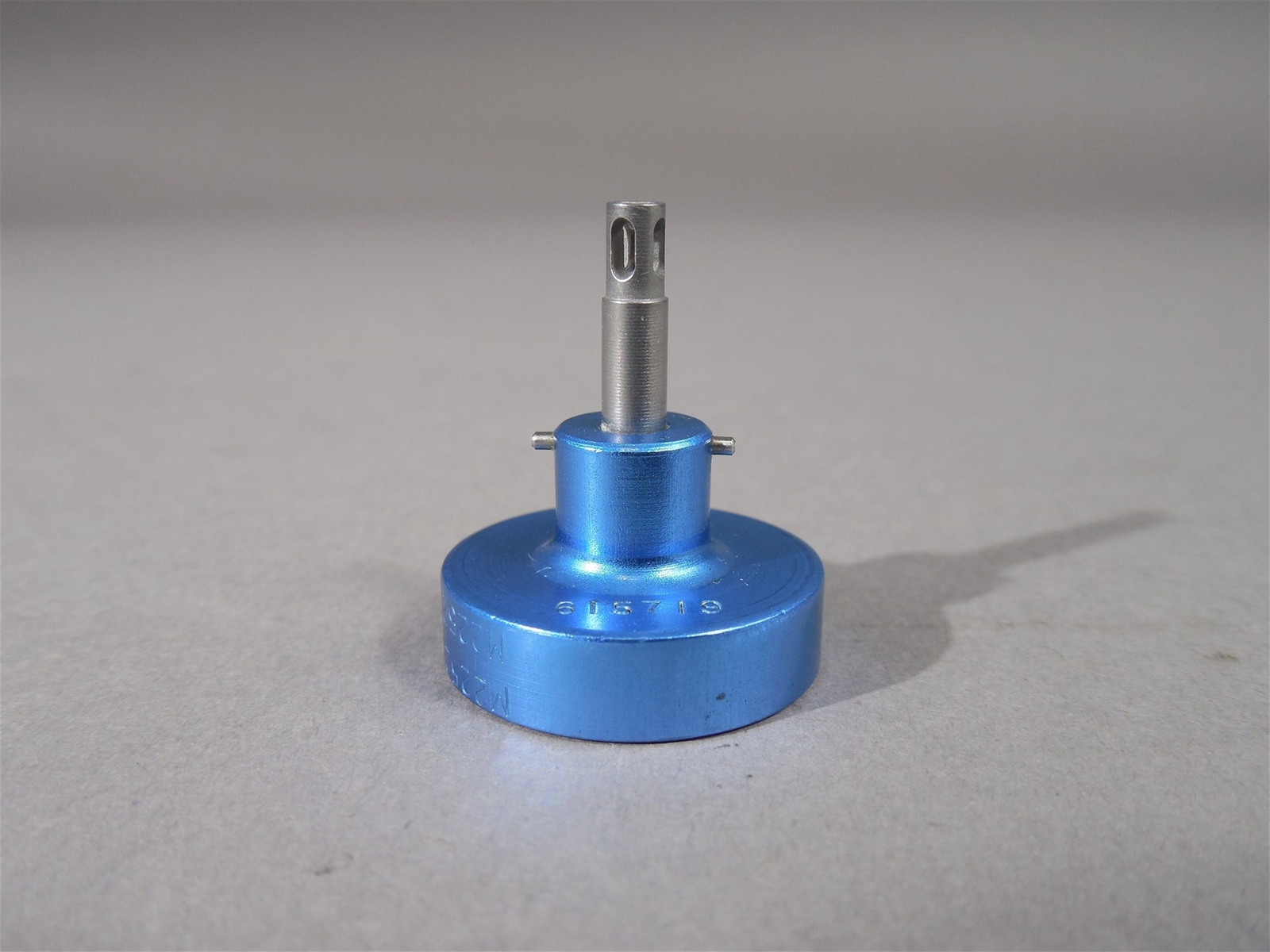
The tools I am familiar with conform to MIL-DTL-22520 from manufacturers like Daniels or Astro for machined contacts that get the eight dimples in the crimp barrel. The tool also requires a positioner to hold the contact in the correct position inside the crimp bore of the tool.

PIDG terminals I usually crimp with a DMC (Daniels) HX-4 with the appropriate dies. That tool also has dies for hexagonal crimps like on coax connectors.

Many automotive harnesses use a Molex-style stamped contact with the "W" style crimp. There are a dizzying number of crimp tools for stamped contacts.

Register to Reply Good Answer (Score 2)
Member

Join Date: Jan 2026
Posts: 8
#6
In reply to #4

Re: Re-Crimping Electrical Terminals

01/21/2026 8:50 AM

Good point on deforming the crimp further than the original crimp. I probably can't crimp the connection any more than the factory did, other than maybe reshape it slightly. My $90 crimper's dies are probably not exactly identical.

I used crimpers like the DMC shown above for Fischer connectors used on our cameras. Way more precision going on there compared to Packard terminal crimps! (Like the Molex tool).

Thank you for your insight.

Register to Reply Score 1 for Good Answer
Guru

Join Date: Mar 2011
Location: Sebastopol, California
Posts: 1205
Good Answers: 54
#8

Re: Re-Crimping Electrical Terminals

01/21/2026 8:58 AM

I like using a tiny dab of solder followed by a re-crimp and then a marine grade heat shrink. The dab of solder fills and connects and adds some bite. The re-crimp now has some new material to crimp to, and the marine grade heat shrink puts some stiffness in the join and bonds the insulation to the crimped part of the connector with the hot glue that is inside the heat shrink tubing. Everything is preserved and a little stronger than before.

__________________
Most people are mostly good most of the time.
Register to Reply Score 1 for Good Answer
Guru

Join Date: May 2018
Location: Under the spreading Bunya Trees, South Burnett, Queensland, Australia
Posts: 807
Good Answers: 65
#9

Re: Re-Crimping Electrical Terminals

01/22/2026 3:03 AM

If the wire used is tinned copper wire with good insulation then I would recrimp them for the tinning can extrude over time and cause the terminal to become loose.

Do you have crimpers with jaws which can be adjusted to gain a better crimp, all mine that I use have this feature, some have up to 6 different settings for crimp pressure also they are ratchet types where the crimp needs to be properly made before the jaws release.

I have been in the trades for many years, electrical, instrument, radio, automation and with the right tool there is no possibility of over crimping but if you use one of the generic big box stores crimpers then it is purely guess work.

When making new harnesses use the right size crimp for the cable and insulation crimp. You have QC, all sizes, insulated wire crimps, hex crimps, coaxial crimps, bare lug crimps, right tool for the right lug, even hydraulic crimps for battery, starter and high current applications and you don't need to return to look for a bad joint.

I restore old tractors, modify cars, repair earthmoving machinery and I used tinned cables for repairs and new harnesses.

__________________
Hare today, goon tomorrow!
Register to Reply
Associate

Join Date: Mar 2017
Posts: 47
Good Answers: 4
#10

Re: Re-Crimping Electrical Terminals

01/22/2026 11:20 PM

From someone who's been soldering and crimping at both hobby and pro level since the mid 1960s, the advice to use the proper crimper (and proper terminals) is spot-on. The single-action pliers-type crimpers simply cannot generate enough force to crimp the joint into a solid, air-free connection.

There's nothing wrong with solder; it just requires proper strain relief outside the soldered area. With *properly designed* crimp terminals, the terminal itself provides that strain relief, though the 'bare' terminals do not. A soldered joint just requires added relief, like heatshrink tubing that extended past the soldered area.

'Re-crimping' old joints is just going to encapsulate the corrosion that's already there, giving a path for more corrosion.

Register to Reply Score 1 for Good Answer
Member

Join Date: Jan 2026
Posts: 8
#13
In reply to #10

Re: Re-Crimping Electrical Terminals

01/23/2026 9:00 AM

"'Re-crimping' old joints is just going to encapsulate the corrosion that's already there, giving a path for more corrosion."

That was one of my concerns: What is really going on at a molecular level when I re crimp? One thought was by disturbing the connection it would be akin to "Jiggling" a connector to get a better connection.

After doing more before and after measurements, which seem to be negligible, I have come to the conclusion that I am overthinking this. Plus, I can't be too sure how accurate my meter is at such low resistance, (1-3 ohms).

Register to Reply
Power-User

Join Date: Apr 2007
Posts: 273
Good Answers: 12
#11

Re: Re-Crimping Electrical Terminals

01/22/2026 11:28 PM

Yes, you're over thinking this.

The vehicle is 40 years old now. How much longer do you plan to keep it? How much longer do you intend to actually operate it? Will this become a family heirloom? I doubt it.

I own a '59 Corvette. A valuable collectible car for sure, right? Well, the value is actually going down because the older people that appreciate classic cars are dying off, and younger people are more interested in playing games on their phones than driving a car with manual everything and an AM radio.

Register to Reply
Member

Join Date: Jan 2026
Posts: 8
#14
In reply to #11

Re: Re-Crimping Electrical Terminals

01/23/2026 9:05 AM

Agree.

However, I ordered this car from the factory in 1983. My wife and I dated in it and brought our newborn son home in it. There are no plans to ever sell it. We aren't interested in the value of it. After we are gone, who knows?

(Who cares?)

Register to Reply
Power-User

Join Date: Jul 2017
Posts: 236
Good Answers: 9
#12

Re: Re-Crimping Electrical Terminals

01/23/2026 4:33 AM

If the wiring Harness is in relatively good condition why are you re-crimping in the first place?

If you checked before removing that all the connections were functioning why not simply clean the connectors using something like CRC Contact Cleaner 12101-AH or WD 40 Contact Cleaner?
If you want to be 95% safe, simply remove the existing Connectors, tin the wires and replace with new Connectors.
To be 100% safe, make a completely new Wiring Harness.
Don't forget the clean the Contacts on the Instruments etc. where the Terminals are fitted also.

Register to Reply
Member

Join Date: Jan 2026
Posts: 8
#15
In reply to #12

Re: Re-Crimping Electrical Terminals

01/23/2026 9:14 AM

You know how old harnesses can deteriorate, visually and at the invisible crimp areas, as they age. Visually, the harness is great condition. It's the at the molecular level, for lack of a better term, that I was questioning at the crimp areas. The contact points can be cleaned easily, as you mentioned.

Re-terminating the wires was also an option. But, before and after measurements after re-crimping or re-terminating are producing negligible results.

Now, the engine compartment harness is another story. It uses aluminum conductors which require specialized repair procedures, according to the service manual. My plan is to completely rewire with copper.

Register to Reply
Guru
Popular Science - Cosmology - Let's keep knowledge expanding Engineering Fields - Retired Engineers / Mentors - Hobbies - HAM Radio - New Member

Join Date: Dec 2006
Location: North America, Earth
Posts: 4528
Good Answers: 106
#16

Re: Re-Crimping Electrical Terminals

01/23/2026 11:56 AM

Soldering a bad crimp is a very good fix and is easy. I have done this with test equipment several times. I really doubt that it will be a problem in a car, especially an antique car that isn't driven much.

__________________
“I would rather have questions that can't be answered than answers that can't be questioned.” - Richard Feynman
Register to Reply
Guru

Join Date: May 2018
Location: Under the spreading Bunya Trees, South Burnett, Queensland, Australia
Posts: 807
Good Answers: 65
#17

Re: Re-Crimping Electrical Terminals

01/24/2026 7:19 PM

I would use a ratcheting crimper to recrimp the terminals. The terminals are usually brass and the wire is copper and by crimping the terminal the brass does not combine with the brass as some other replies have stated but is there merely to make sure the connection compresses the wire to the brass. Make sure you use a crimper which can have the crimp pressure adjusted and of the ratcheting type.

With copper wire in a copper crimp lug some bonding does occur but even so the individual strands can still be extracted from the crimp unless the many ton hydraulic crimper is used for battery, starter, high current connections.

Using heat shrink is usually not possible on automotive wiring unless it is to screw connected terminals as often QC or bullet connectors in plug socket arrangement. I restore old tractors and earth moving machinery and if the harness is good and the crimps are firm no action is needed. If you wish to measure the connection then a 4 wire low ohms meter is the only test unit to use, for using a multimeter is not accurate.

If you have to use a multimeter the Lead resistance needs to be measured first and subtracted from the measured variable. You are more likely to get a poor lead to connector contact than get a true reading.

__________________
Hare today, goon tomorrow!
Register to Reply
Register to Reply 17 comments

Good Answers:

These comments received enough positive votes to make them "good answers".

"Almost" Good Answers:

Check out these comments that don't yet have enough votes to be "official" good answers and, if you agree with them, vote them!
Copy to Clipboard

Users who posted comments:

69-er (7); Brave Sir Robin (1); Deefburger (1); redfred (1); rv7charlie (1); rwilliams (1); StandardsGuy (1); Stef (2); steve45 (1); The Wizard (1)

Previous in Forum: How Deep is a Black Hole?   Next in Forum: A Log Jam Unstick Trick

Advertisement