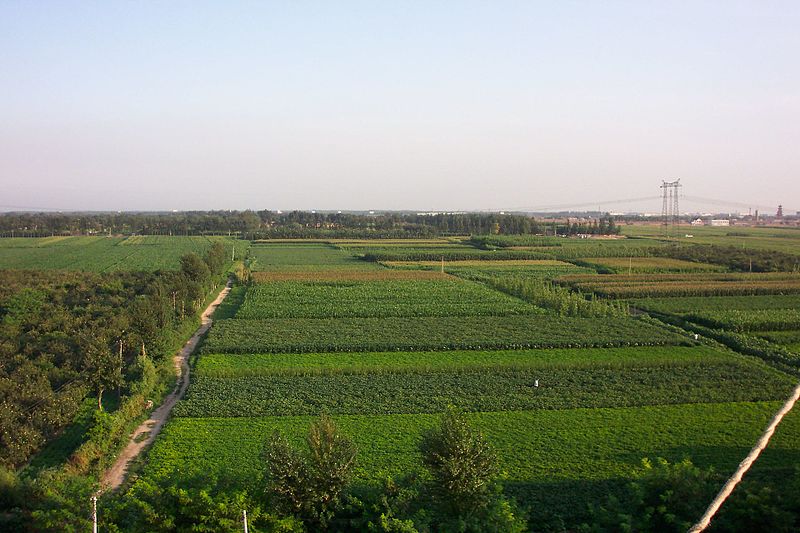
When it comes to successful crop harvests, farmers know that
water plays an important role. Many areas of the world are finding themselves lacking
water, leaving the farmers there in despair.
Growing Biofuel
One of the more glorious advantages of biofuel over
petroleum is that almost any place can grow the plants to make fuel, whereas
petroleum depends on oil or gas deposits; the only limiting factor is water.
Biofuel crops, like soybeans, take very little water if they depend on the
rain. If rain can't be depended on to keep crops from being thirsty, then it
can take a lot of water to sustain them. In the United States, an average of 28
liters of water is required to generate adequate soybeans for driving a vehicle
1km. This comes out to 12 gallons of water per mile.
Irrigation already accounts for 37% of the water withdrawn from
various sources in the United States. The water to sustain current irrigation,
as well as the extra irrigation needed to produce crops for biofuels, keeps
biofuels from being a popular alternative fuel choice.
Australia Preparing
for Less Water
Drought in Australia can occur relentlessly for decades, and
then start raining all of a sudden. It is said that the last couple years have
been the driest it has been in two centuries. Computer models are predicting
that Australia will become much drier, hotter, and windier in the decades to
follow.
Farmers in Australia are implementing measures to boost
production, while reducing water consumption. This includes smoothing out the
topography and using satellite imagery to determine the health of the soil. A
lot of money is going into their "Water for the Future" plan, which aims to
modernize irrigation infrastructure and tackle water usage in cities. In
preserving the water system, the amount of electricity required increases
dramatically.
Punjab
Punjab, India, is also currently experiencing a water
shortage. The main culprit seems to be underpriced electricity, allowing
farmers to pump groundwater at a very low cost. India's farmers use 212 million
megaliters of water each year to sustain approximately 35 million hectares.
This amount of water is much more than the amount of rain in the area. Each
year, farmers are forced to go half a meter deeper to pump water. Many fear
that Punjab's groundwater source could be used up in as little as 20 years.
This could mean a food crisis in India, as Punjab supplies about a fifth of the
country's wheat and a little more than a tenth of its rice.
Resources:
IEEE
Spectrum – Biofuel's Water Problem
IEEE
Spectrum – Australia's Drought-Busting Water Grid
IEEE
Spectrum – Pumping Punjab Dry
| 


 Re: Energy vs Water – Harvesting and Water Shortages (Part 2)


