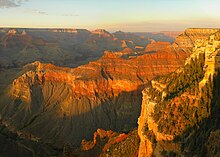
Ahhhh, the Grand Canyon -- one of the oldest national parks
and home to 1,737 known species of vascular plants, 167 species of fungi, 64
species of moss, 195 species of lichen, and 34 mammal species. As one of the
major natural wonders of the world, it is a beautiful place to visit and enjoy
the scenery.
Pollution
Nowadays, tour planes break the serenity as air pollution
adds a haze to the scene. Efforts to preserve the national park are becoming
progressively compromised. Some of the threats come in from the outside (air
pollution), while some come from within (noisy air tours).
Air pollution also comes from hundreds of miles away from
power plants that tarnish the view of the Grand Canyon. Proposals to clean the
air from power plants necessitate pollution controls that are both expensive
and opposed by the power providers. Proposals for reducing noise by limiting
the number of air tours and restricting them to certain times and paths are due.
There is also concern over uranium mining nearby that could
contaminate water flowing into the canyon. Over 1,000 new claims for mining
uranium ore have been filed. The Colorado River is a resource of drinking water
for more than 20 million people downstream.
The Glen Canyon Dam has turned the Colorado River into a
cool, clear river. This is quite unlike the wild and muddy river it once was.
The native fish are having problems surviving in these cooler waters and
non-native species (like Trout) eat them.

The Money
Thirty-eight percent of the Grand Canyon's operating funds
come from the federal budget and the rest is composed of entrance fees, grants,
and donations. The park also has "more than $200 million in deferred
maintenance and unmet infrastructure needs."
Resources:
USA
Today – Grand Canyon's Future at 'Grave Risk,' Report Says
Wikipedia
– Grand Canyon
| 


 Re: Rocky Future for the Grand Canyon


