|
 There is this reoccurring theme in civil engineering of
outdoing other structures. It's as if an architect who suddenly has the
financing to build whatever he pleases looks around and says to himself, "Whose
is the biggest?" and immediate catches a case of structure envy. So the
architect carefully crafts the biggest, most opulent building that construction
technology can erect. And then to show off, the architect wants to do it in
world record time. There is this reoccurring theme in civil engineering of
outdoing other structures. It's as if an architect who suddenly has the
financing to build whatever he pleases looks around and says to himself, "Whose
is the biggest?" and immediate catches a case of structure envy. So the
architect carefully crafts the biggest, most opulent building that construction
technology can erect. And then to show off, the architect wants to do it in
world record time.
Architects are jealous and selfish lovers
professionals. Want an example? Examine Dubai, who wanted to diversify its
business away from oil. The way to attract that business? Have the tallest
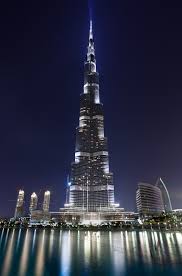
building the world. So they built the 2,722-foot high Burj Khalifa . Never mind the project took five years
and cost Dubai $1.5 billion USD, so much money that they later needed a bailout
from Abu Dhabi.
In this size contest for world's biggest building, the Burj
Khalifa is about to see its successor rise in the province Hunan, China; in the
city of Changsha, home to 7 million, will rise Sky City One. When completed in
March 2013, the skyscraper will stand at 2,749 ft. Included will be a 1,000 guest
hotel, a hospital, five schools, 104 high-speed elevators, 17 helipads, and
apartments for 30,000 people.
 It's not just the size of the building that is raising
eyebrows, however; it's also the rate of construction. The designers plan on
erecting Sky City One in just 90 days. Composed
of 220 stories, the structure will be completed at a rate of 5 stories a day. The construction
cost of Sky City One is not expected to top $700 million USD. The construction
company behind the skyscraper, Broad Sustainable Building, has a recent history
of extreme construction projects. In 2010 they built a completed 15-story hotel
in less than 6 days, and in 2012 they constructed a 30-story hotel in just
15 days. It's not just the size of the building that is raising
eyebrows, however; it's also the rate of construction. The designers plan on
erecting Sky City One in just 90 days. Composed
of 220 stories, the structure will be completed at a rate of 5 stories a day. The construction
cost of Sky City One is not expected to top $700 million USD. The construction
company behind the skyscraper, Broad Sustainable Building, has a recent history
of extreme construction projects. In 2010 they built a completed 15-story hotel
in less than 6 days, and in 2012 they constructed a 30-story hotel in just
15 days.
Furthermore, BSB claims that they are building some of the
most environmentally friendly and structurally sound buildings in
existence. Sky City One can withstand a
 9.0 magnitude earthquake according to tests, primarily because BSB's buildings
use less concrete and steel to reduce weight. Six-inch insulated walls and
quadruple glazing will contribute to the building's sustainability, which will
be constructed from recycled materials. Overall, Sky City One will require one-fifth
of the energy needs of a similarly-sized conventional skyscraper. Finally, a
unique ventilation system promises air quality 20 times more pure than outdoor
air--a needed respite in smoggy China. 9.0 magnitude earthquake according to tests, primarily because BSB's buildings
use less concrete and steel to reduce weight. Six-inch insulated walls and
quadruple glazing will contribute to the building's sustainability, which will
be constructed from recycled materials. Overall, Sky City One will require one-fifth
of the energy needs of a similarly-sized conventional skyscraper. Finally, a
unique ventilation system promises air quality 20 times more pure than outdoor
air--a needed respite in smoggy China.
 BSB is able to accomplish this by essentially replacing
construction with manufacturing. Though skilled laborers are need to assemble
the building on-site, up to 95% of the building is prefabricated and erected
off-site. Completion of a BSB structure is said to resemble the completion of a
LEGO or Erector set. BSB founder Zhang Yue believes that the cheapest, most
efficient buildings are produced in factories, and this belief has produced 19
buildings in China and one in Mexico. BSB is able to accomplish this by essentially replacing
construction with manufacturing. Though skilled laborers are need to assemble
the building on-site, up to 95% of the building is prefabricated and erected
off-site. Completion of a BSB structure is said to resemble the completion of a
LEGO or Erector set. BSB founder Zhang Yue believes that the cheapest, most
efficient buildings are produced in factories, and this belief has produced 19
buildings in China and one in Mexico.
Of course, anytime an industry is 'revolutionized' by new
processes or methods, skeptics and non-believers emerge (again, probably with
structure envy). Many expressed doubt that even using prefab techniques a
record-setting skyscraper could be built in just three months. Indeed, a BSB
spokesperson admitted construction could take seven months, before retracting
and promising the company would meet the 90-day threshold. Others critics have
taken aim at the building's structural integrity, questioning if Sky City One
would be foundationally stable, or if the building's engineers did enough to
account for the high lateral forces resulting from wind. Others have questioned
emergency support, saying that fire prevention, evacuation and medical
emergency procedures have not been thoroughly evaluated.
 While these criticisms are valid, they are not even the most
crucial considerations for Sky City One's construction. Instead, profitability
may be the most debilitating variable of this engineering marvel. China has an
extensive history of overbuilding, as governments continue to fund money-losing
endeavors to display their prosperity. There are several recent, notable
examples. Beijing's
National Stadium has been left largely unused since the 2008 Olympics. The
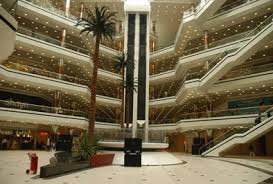
largest mall in the world, the New South China Mall
in Dongguan, opened in 2005 with 2,350 retail spaces for rent. In a city with
10 million residents, the mall has only leased 1% of its retail space. Kangbashi, a central
district in Ordos to provide residence to 1 million Chinese, is home to only
about 25,000. While these criticisms are valid, they are not even the most
crucial considerations for Sky City One's construction. Instead, profitability
may be the most debilitating variable of this engineering marvel. China has an
extensive history of overbuilding, as governments continue to fund money-losing
endeavors to display their prosperity. There are several recent, notable
examples. Beijing's
National Stadium has been left largely unused since the 2008 Olympics. The
largest mall in the world, the New South China Mall
in Dongguan, opened in 2005 with 2,350 retail spaces for rent. In a city with
10 million residents, the mall has only leased 1% of its retail space. Kangbashi, a central
district in Ordos to provide residence to 1 million Chinese, is home to only
about 25,000.
 And then there's the
craftsmanship. In the instance of BSB's prefabricated building, the unremarkable
infrastructure was intended to provide easy franchising and local
prefabrication. After construction the building can be customized only to a
limited degree. Essentially, the cheap building feels cheap. Personally, I'm
not afraid to pay for a more finished, higher quality product, and I expect
that any prefabricated building like Sky City One will feel as cheap as it
costs, relatively speaking. In the one review a CR4 blogger could find online for the T30
Hotel (BSB's 30-story, 15-day project), the commenter complained of the cramped
room sizes, awkward door positioning and uneven floors. And then there's the
craftsmanship. In the instance of BSB's prefabricated building, the unremarkable
infrastructure was intended to provide easy franchising and local
prefabrication. After construction the building can be customized only to a
limited degree. Essentially, the cheap building feels cheap. Personally, I'm
not afraid to pay for a more finished, higher quality product, and I expect
that any prefabricated building like Sky City One will feel as cheap as it
costs, relatively speaking. In the one review a CR4 blogger could find online for the T30
Hotel (BSB's 30-story, 15-day project), the commenter complained of the cramped
room sizes, awkward door positioning and uneven floors.
 In several years' time, the novelty of Sky City One will
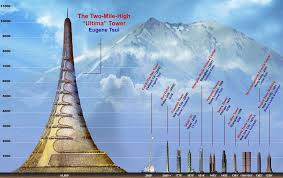
have worn off-either because it was succeeded as the world's tallest building (do you remember the Ultima Tower?),
or because it's prefab nature limited the on-site adaptability sometimes needed
by construction crews and civil engineers. Personally, I'd like to see Sky City
One have a successful existence. It could modernize how populations look at
buildings and provide low-cost, emission-reducing housing. But I can't help but
feel that some personality and workmanship skills will be lost if construction
is replaced by manufacture. Though prefabricated building designs are likely to
improve, I always hope that there will be a need for laborers who can add
character to the buildings we inhabit. I could think of nothing worse than a
cityscape that is nothing except interlocking square and rectangles. In several years' time, the novelty of Sky City One will
have worn off-either because it was succeeded as the world's tallest building (do you remember the Ultima Tower?),
or because it's prefab nature limited the on-site adaptability sometimes needed
by construction crews and civil engineers. Personally, I'd like to see Sky City
One have a successful existence. It could modernize how populations look at
buildings and provide low-cost, emission-reducing housing. But I can't help but
feel that some personality and workmanship skills will be lost if construction
is replaced by manufacture. Though prefabricated building designs are likely to
improve, I always hope that there will be a need for laborers who can add
character to the buildings we inhabit. I could think of nothing worse than a
cityscape that is nothing except interlocking square and rectangles.
Resources
(Image credits: Techjost; 8 Bit Future; Talk Bass; Inhabitat; Webner House; Tree Hugger; TDR Inc.)
Arch Daily - UPDATE: World's Tallest Skyscraper to...
Inhabitat: Sky City: Chinese Company BSB...
Wikipedia - Sky City; BSB
CNET - Developer Reaffirms Plan to Finish World's...
The Globe and Mail - World's tallest tower plan raises eyebrows
Time - China Plans to Build the World's Largest Skyscraper in Just 90 Days
| 


 Re: Sky City One: China's Prefab, Record-Setting Skyscraper


