|
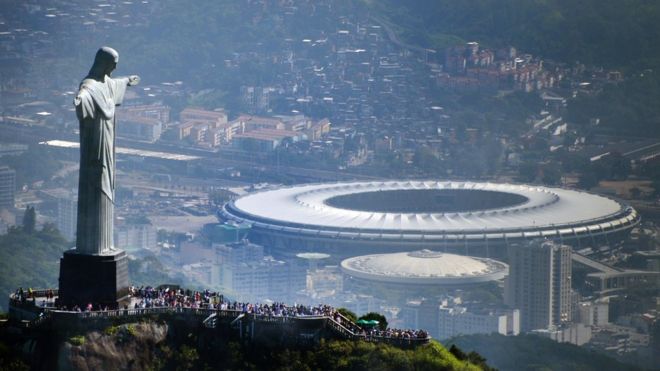
With less than 10 days until the athletic events begin, the Olympics news cycle is beginning to ramp up. Yet with few sporting stories to report, the focus is currently fixed on how Brazil and Rio de Janeiro are
preparing for the massive but temporary influx of athletes, Olympic officials and tourists.
 So to satisfy the hosting requirements of the International Olympics Committee, cities and nations pledge massive upgrades to living facilities, utilities and transportation. It’s why three of the past four Olympics have been the most expensive. In order: 2014 Winter Olympics in Sochi ($51 billion), 2008 Summer Olympics in Beijing ($44 billion), 2012 Summer Olympics in London ($10.4 billion). While some of the money goes toward the athletic venues and the games, a large portion ends up spent on new and improved infrastructure. So to satisfy the hosting requirements of the International Olympics Committee, cities and nations pledge massive upgrades to living facilities, utilities and transportation. It’s why three of the past four Olympics have been the most expensive. In order: 2014 Winter Olympics in Sochi ($51 billion), 2008 Summer Olympics in Beijing ($44 billion), 2012 Summer Olympics in London ($10.4 billion). While some of the money goes toward the athletic venues and the games, a large portion ends up spent on new and improved infrastructure.
In 2014, there were #SochiProblems. The online trend was used to document the many inadequacies of the Sochi infrastructure improvements, even as athletes and guests arrived. London was also scrambling to finished Olympic venues in the weeks before the Opening Ceremony. And preparations for the Athens games were severely mismanaged, so much so that the expedited construction in the final weeks of Athens’ projects doubled the initial cost.
ESPN reports that currently 21 of 31 Rio Olympics village buildings are uninhabitable due to plumbing or electrical issues, or just general unfinished construction. While the Italian team hired contractors to finish their quarters, the American team seemed to understand this is the going trend for Olympic games.
Problems in Rio extend beyond poor living quarters. Guanabara Bay, which will host this year’s sailing and windsurfing events, receives the sewage of the 12 million Rio residents, 70% of which goes untreated. It and several other water venues are home to potent super bacteria. Along the beach volleyball venue shoreline, body parts have washed up. Brasil’s promise to invest in water treatment and waterway remediation, which was a major selling point to the IOC, seems like a sure failure.
Evidence suggests that hosting the Olympics has a negative economic impact. Rio de Janeiro and Brazil are ponying up an estimated $13.2 billion for this year’s Olympics, but that price will likely grow according to Reuters, which in May estimated that Rio only had ten percent of its Olympics projects completed.
Olympics officials will point out the lasting infrastructure improvements that result. Often these infrastructure projects are late, overbudget, or not even an upgrade, and then are weighed down by the legacy of white elephant stadiums, hotels and convention centers.
From the public works perspective, the Olympics are a failure more often than not.
| 


 Re: The Recurring Olympics Infrastructure Issue


"Almost" Good Answers: