I came across this article and thought it was pretty cool. For years scientists have warned about a "space junk" problem. Basically old satellites and spent boosters are still in orbit and pose a risk to other satellites, particularly if they collide with another satellite and create debris. Recently the RemoveDEBRIS Satellite was launched from the ISS as a sort of proof of concept. Here's the article:
...Development of the RemoveDEBRIS satellite was funded by the European Commision and ten international partners. It was transported to the International Space Station (ISS) aboard the SpaceX CRS-14 mission. The satellite was then deployed from the ISS on June 20, 2018, via Nanorack’s Kaber Microsatellite deployer. Testing of the experimental space junk net was conducted on September 16 with the satellite successfully capturing a target cubesat travelling at 27,000 kph (17,000 mph).
“We are absolutely delighted with the outcome of the net technology.” said Professor Guglielmo Aglietti, Director of the Surrey Space Centre. “While it might sound like a simple idea, the complexity of using a net in space to capture a piece of debris took many years of planning, engineering, and coordination between the Surrey Space Centre, Airbus and our partners – but there is more work to be done. These are very exciting times for us all.”
In addition to the net, the RemoveDEBRIS satellite carries a second novel solution to the problem of space debris. In the coming months, SSTL ground control will attempt to capture a second target cubesat using a harpoon.
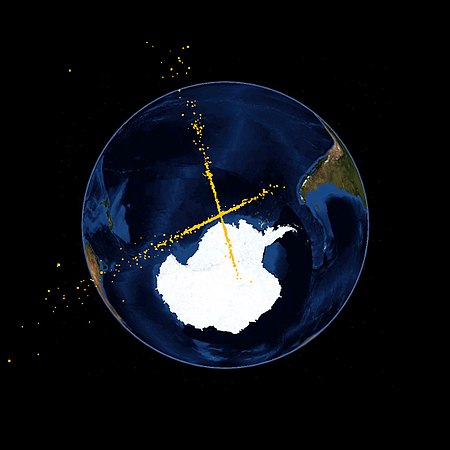
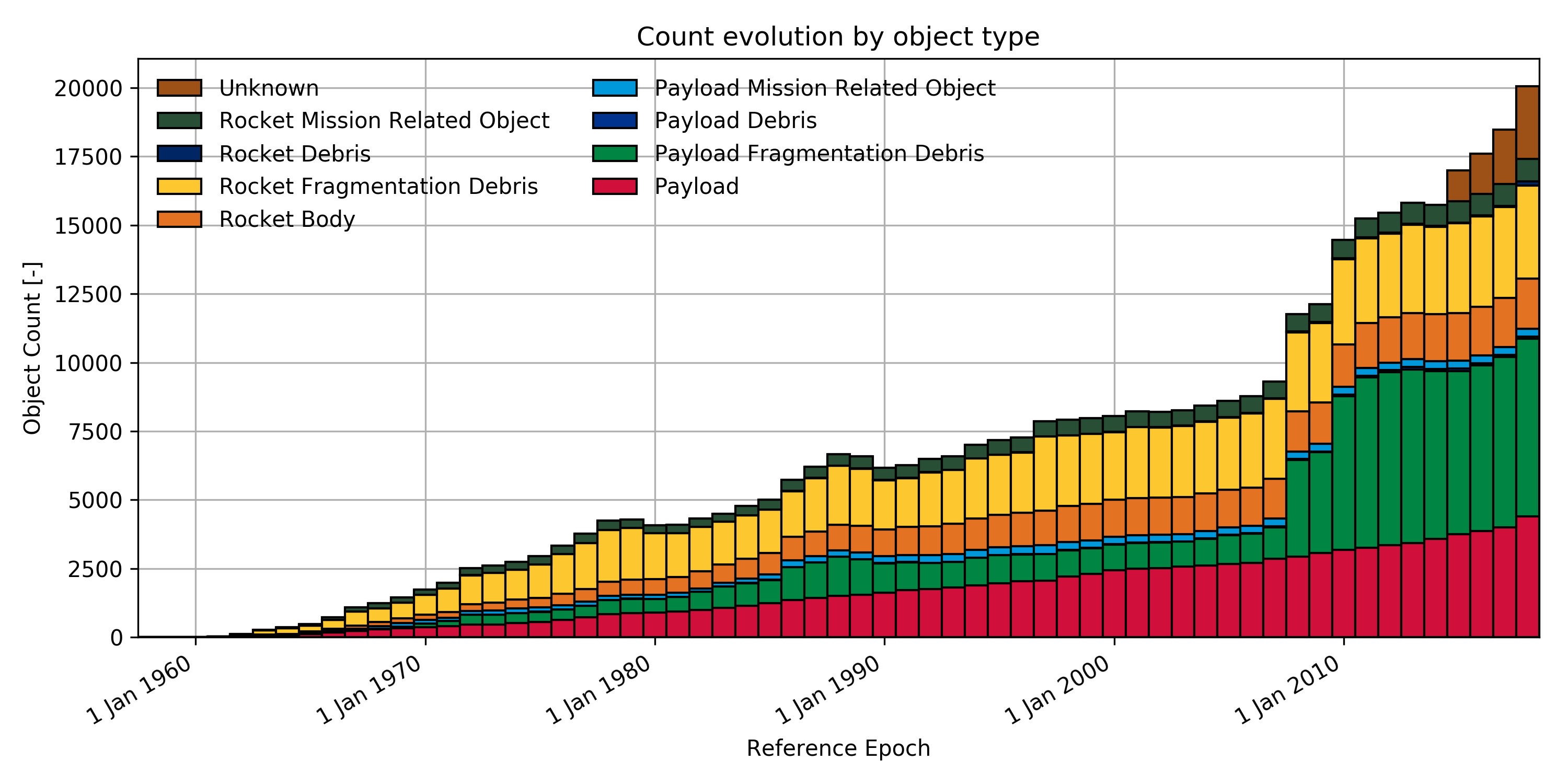
The United States Space Surveillance Network is currently tracking 40,000 objects orbiting Earth. It’s estimated that this accounts for 7,600 tonnes of ‘space junk’ orbiting the Earth at speeds of around 48,000 kph (30,000 mph). This debris poses a significant concern to the industry as multimillion-dollar satellites are becoming increasingly vulnerable to potentially crippling strikes. Finding practical solutions to clear the debris is, as a result, important to ensure the safety of both current and future missions.
The article can be found here


 RemoveDEBRIS Satellite Captures Space Junk


 Re: RemoveDEBRIS Satellite Captures Space Junk






"Almost" Good Answers: