Under water speed humps and dehydrated air bubbles.
We recently completed the installation of under water speed humps at the entrances o the Suez Canal. The speed humps assist in slowing shipping and pleasure craft down to allow an orderly approach to the lock gates at both entrances to the canal.
On the Mediterranean side, three speed humps were required due to the water flow being in a downhill flow from the Mediterranean into the Red Sea, which then flows into the Gulf of Aden and the Indian Ocean.
On the exiting side of the canal, 4 speed humps were installed across the narrowest section between Djibouti and Yemen, two on either side of the narrow gap between the two continents of Africa and Arabia. One set installed between Rahayta to Dhubab, the second set installed from Khor’Angar to Al Bahiyah in the Bad al-Mandad Straits. The result has been the reduction of erosion along the coastline and beeches Perim Island, cause by ship wash and the reduction of near collision with the sparsely populated island of Socotra in the Arabian Sea.
The speed humps were installed as one continuous humps and deployed using local labour and a specially designed ship for use in various types of seas. Once the initial cup end was securely anchored on the beech side the hump was slowly unwound from the carousel, installed on the ships deck, and using a series of pulleys and skids and water speed hump gantries, the speed hump was unwound and floated onto the sea surface. Given various tides and currents at the time, the seed hump was inflated with water and an air mixture of nitrogen, ozone, and Co2 gases, then securely anchored on the opposite shore.
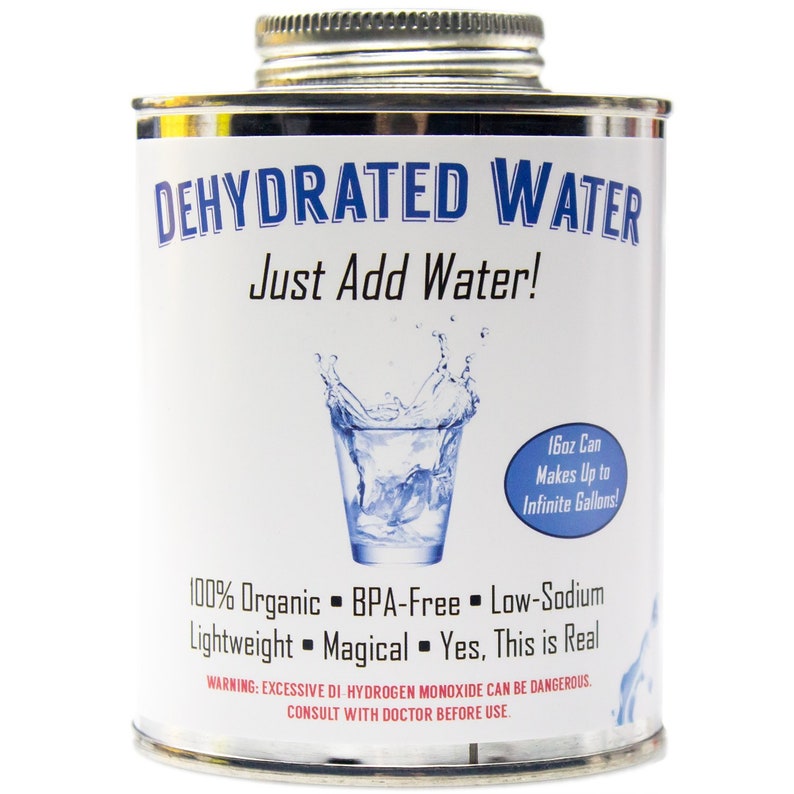
In order to assist shipping and pleasure craft ensure the reduction of speed, the speed humps are protected at a distance of 4 km by dehydrated compressed air bubbles which are released into the sea by use of micro boats, which autonomously patrol the speed humps. The micro boats function both above and below the water level, utilising both solar and hydrogen cells to power the electric motors tat drive them. The solar cells assist with compressing and dehydrating the required air, which is forced through graduated filter mesh’s, then super heated to create flakes of air, which once released into the sea water, slowly sinks, and in doing so absorbed water to rehydrate, forming an air bubble, which rises to the surface, creating positive bouancy for shipping and increasing the fish population with the speed hump barriers.
This has been made possible by crowd funding and assistance from the American people of Knoxville and Pennsylvania Over Seas Development Funding programme, as well as the Eritrea Industrial Labour Council for Wealth and Welfare. This has created employment along the coast and canal, having employed 102 persons on full time employment and has assisted local fishermen to remain safe in this busy shipping channel.
The Mediterranean coast speed humps are anchored at Port Said to Hiafa, however, with current tensions around the Israeli coast line and the new presence of US warships, it was deemed that the dehydrated compressed air bubbles (DCAB), may create an interference with sensitive ship hull devices such as propellers, causing cavitation or possible clogging of bow thruster. It was noted during extreme testing that the DCAB, when released at deeper levels, caused additional buoyancy in the water and submarines easily popped to the surface.
Further funding will be envisaged to allow local production, on shore, of the dehydrated compressed air bubbles and for the on going maintenance of the water speed humps. To date, shipping accidents have been reduced, island beech erosion has reduced by 37.8% and fish populations have seen a dramatic increase, with some new species appearing, that were once thought to have been abundant in the region.
DCAB are now being considered for carbon capture and test are being conducted by the Australian Institute of Dugongs and Wombats in Port MacQuarrie. The result will be available November 2019.


 2
2 Underwater Speed Humps and Dehydrated Air Bubbles

 Re: Underwater Speed Humps and Dehydrated Air Bubbles






Good Answers:
"Almost" Good Answers: