A PUE below 1.2 is possible, but I would be careful about treating it as a target that can be achieved simply by selecting more efficient cooling equipment.
In practice, PUE is the result of several systems working together. Climate, airflow, power losses, redundancy and actual IT utilisation can all move the final number.

One of the first things I would look at is the operating load.
A new data center rarely starts at full capacity. During the ramp-up period, pumps, fans, UPS systems, controls and standby equipment are already consuming power, even though only part of the planned IT load is active.
This means a facility can be efficient at full design load but still show a higher PUE during its early operating phase. It is worth checking system efficiency at different load levels, not only at the final design point.
Airflow is another area that can have a bigger impact than expected.
Missing blanking panels, open cable penetrations and weak aisle containment allow hot and cold air to mix. The cooling system then has to supply colder air or run fans harder to maintain safe rack inlet temperatures.
For existing facilities, improving containment and return-air paths may be a more practical first step than replacing the cooling plant.
Climate also sets a limit on what is realistic.
Cool and temperate locations can use free cooling for more hours each year. Hot and humid sites have fewer opportunities and may need a different cooling or heat-rejection strategy. Outdoor air quality and water availability can also affect which economiser approach is practical.
Redundancy should be included in the discussion as well. A 2N facility has more installed equipment than an N+1 design. Standby systems still use control power and may operate during testing or maintenance.
That does not mean resilience should be reduced for a better PUE figure. It simply means that the target should reflect the actual availability requirement.
Liquid cooling can help, especially for AI and HPC workloads. Direct-to-chip and immersion systems remove heat closer to the source, reduce fan demand and allow higher coolant temperatures.
This can support more free cooling and improve heat-reuse opportunities. But liquid cooling does not remove losses from UPS systems, transformers, pumps, controls or remaining air-cooled spaces.
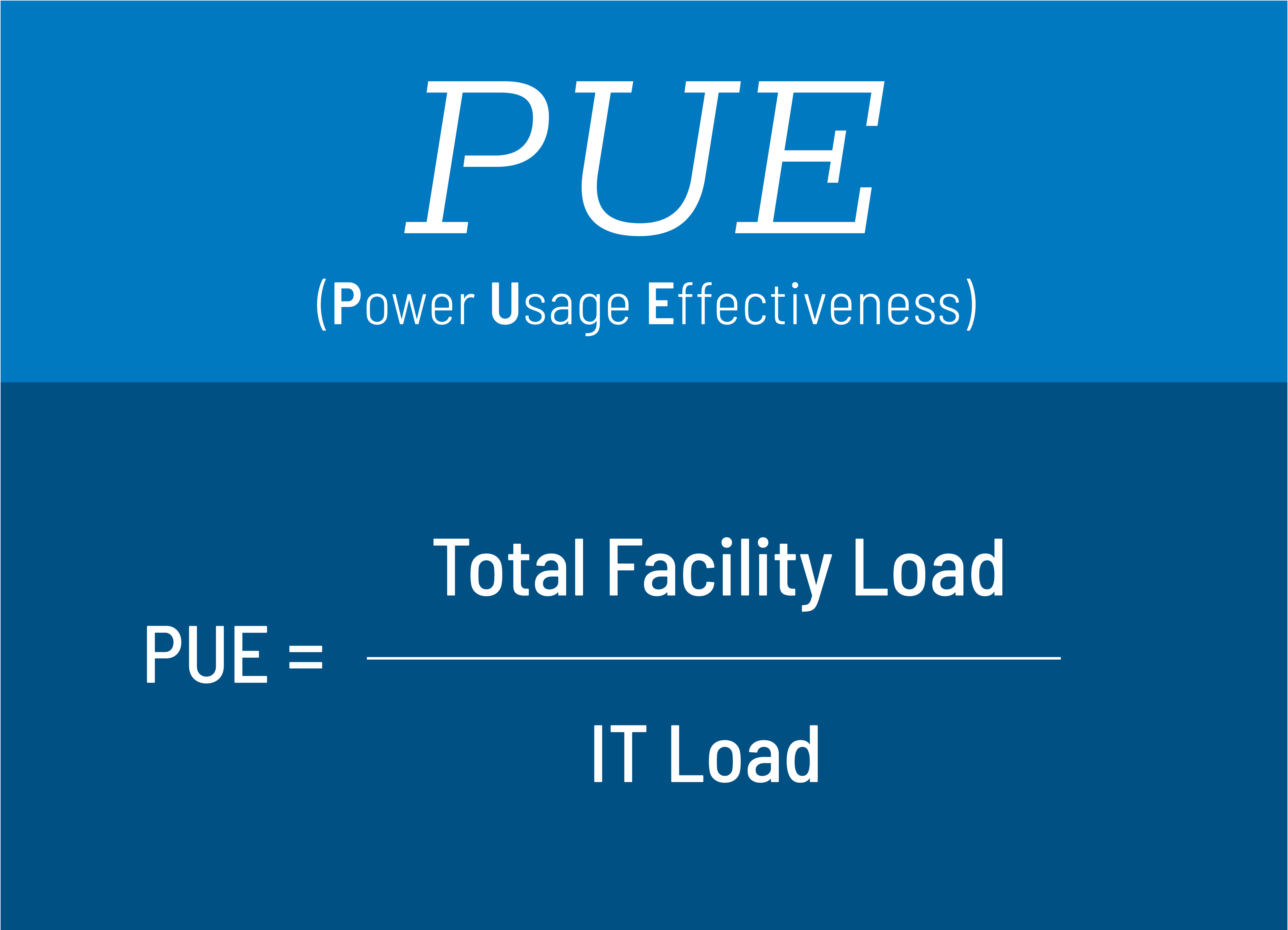
Before setting a PUE target below 1.2, I would check:
- Expected IT load during ramp-up
- Cooling and power efficiency at partial load
- Air containment and return-air paths
- Local climate and realistic free-cooling hours
- Redundancy requirements
- Cooling-water temperatures and heat rejection
- Water use and carbon impact alongside PUE
Can You Really Achieve PUE Below 1.2? The main point is that PUE below 1.2 should come from the project conditions and operating model. It should not be copied from another facility with a different climate, load profile or resilience strategy.
From your experience, what tends to have the biggest impact on real PUE performance after a facility starts operating?


 What Usually Makes a PUE Below 1.2 Difficult to Achieve?
 Re: What Usually Makes a PUE Below 1.2 Difficult to Achieve?


