When you're setting up or expanding a block production line, the choice between fully automatic and semi-automatic systems usually comes down to one core balance: Upfront labor savings vs. long-term maintenance overhead.
On paper, fully automatic systems look like an easy win. You reduce onsite headcount drastically, eliminating the physical burden of manual stacking, pallet feeding, and batch tracking. In high-wage regions or high-volume plants (producing 10,000+ blocks per shift), the labor savings alone can pay off the equipment differential within 18 to 24 months.
However, the real trade-off hides in the maintenance routine:
The Fully Automatic Reality: Automation introduces sensors, PLCs, pneumatic sorters, and motorized finger-car systems. When a line is properly calibrated and running clean, it’s a money printer. But when a proximity sensor gets coated in wet aggregate dust or a servo-driven stacker misaligns, the entire line grinds to a halt. Downtime costs skyrocket because you need specialized electromechanical technicians—not just general mechanics—to diagnose the fault. Preventive maintenance isn't optional here; it requires strict daily dust suppression, sensor cleaning, and scheduled component replacements.
The Semi-Automatic Reality: Semi-automatic setups rely on human hands for pallet transfer, curing transport, or manual offloading. Your monthly payroll is higher, and human fatigue will naturally cause slight variations in shift output. But the mechanical trade-off is simplicity. Heavy-duty hydraulic levers, standard relays, and simple motor drives are far more forgiving of harsh plant conditions. If a batch goes wrong or a stacker jams, a mechanical operator can usually clear it and resume production in minutes using standard tools.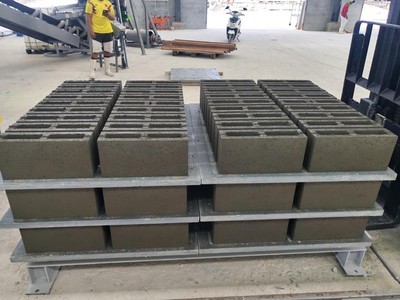
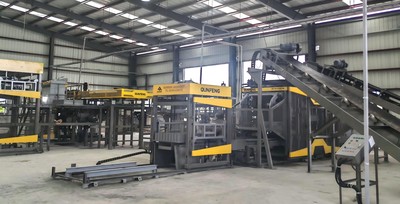


 Automatic Versus Semi-Automatic Block Machines: Actual Labor Cost Versus Maintenance Trade-Off


