Biomedical Engineering Blog

Biomedical Engineering

The Biomedical Engineering blog is the place for conversation and discussion about topics related to engineering principles of the medical field. Here, you'll find everything from discussions about emerging medical technologies to advances in medical research. The blog's owner, Chelsey H, is a graduate of Rensselaer Polytechnic Institute (RPI) with a degree in Biomedical Engineering.

Previous in Blog: Your Dirty Office   Next in Blog: Artificial Human Bones
Close
Close
Close
13 comments
Rate Comments: Nested

Artificial Pancreas - A Step Closer

Posted June 12, 2012 8:32 AM by Chelsey H

According to the 2011 National Diabetes Fact Sheet, 25.8 million children and adults have diabetes in the United States, costing a total of $174 billion dollars in diagnosis, $116 billion in direct medical costs, and $58 billion of indirect costs (disability, work loss, premature mortality). But there is hope for the millions of people with diabetes; researchers are growing ever closer to developing an artificial pancreas.
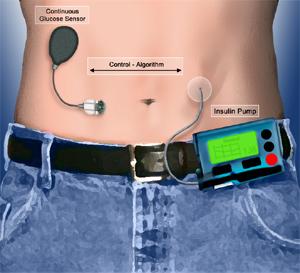
Artificial pancreas. Image Credit: JDRF

There are two types of diabetes; Type 1 is an autoimmune disease in which the body does not produce insulin, and type 2 is when the body doesn't produce or use the insulin adequately. In type 1 diabetes, the immune system attacks beta cells in the pancreas and destroys the body's ability to produce insulin, which is used to

metabolize carbohydrates from food to fuel the body's cells. The disease is managed with insulin injections or a pump. The pump uses a tiny catheter inserted under the skin to deliver insulin every few days.

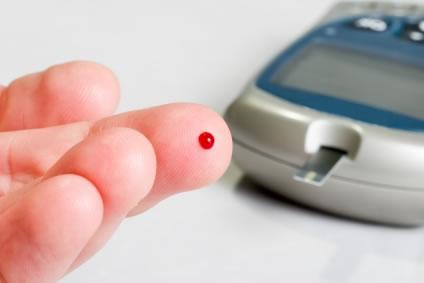
This can become dangerous because the patient is guessing how much insulin they'll need based on the food they eat and their activity level. If the insulin level becomes too high they will become hypoglycemic (low blood sugar) and pass out. Hypoglycemia can also result in death if left untreated. Too little insulin causes hyperglycemia (high blood sugar), which over time can cause additional complications, such as heart disease, and kidney and eye problems.

Diabetes in the body. Image Credit: medicinenet.com

The pancreas secrets several hormones, including insulin and glucagon, for metabolic regulation within the body. An artificial pancreas would remove the decision making process and adjust the insulin level required at any given moment. Developing this device has proved difficult. The artificial pancreas must detect the patient's blood sugar levels and know whether it's trending up or down. It also needs to be able to hold and deliver insulin and deal with low blood sugar levels.
Currently, a patient with type 1 diabetes will consume food or sugar-containing drink to adjust for drops in blood sugar. Their device may shut off or sound an alarm to let them know their blood sugar is getting too low. One device currently in development contains the hormone glucagon, which can quickly raise blood sugar levels. The device is being developed by researchers at Boston University, Harvard Medical School, and Massachusetts General Hospital. The team was able to present a prototype at the recent annual American Diabetes Association meeting. The prototype uses a continuous glucose monitor, an insulin pump, and artificial pancreas software that couples with a low-powered Bluetooth device and an app for the iPhone 4S. The device can fit in a pocket and it is completely closed-loop because it includes both glucagon and insulin. This device will be tested in hospital patients very soon with hopes of moving to a large-sale six-month outpatient trial by 2015. Image Credit: Healthmatters2day.blogpot.com

Another artificial pancreas design is called the Hypoglycemia-Hyperglycemia Minimizer. It was developed in partnership with the Juvenile Diabetes Research Foundation and Animas (insulin-pump makers). This device can automatically predict increases and decreases in the blood sugar, as well as adjust the insulin dosage according. However, this device does not contain glucagon.

Artificial pancreas device system. Image Credit: FDA

The artificial pancreas will likely be developed and approved in steps, with constant improvements being made to the products on the market.

Resources

More progress made on artificial pancreas for diabetes patients

What is the pancreas? What is an artificial pancreas system?

Reply

Interested in this topic? By joining CR4 you can "subscribe" to
this discussion and receive notification when new comments are added.
Guru

Join Date: Jun 2010
Location: New York
Posts: 972
Good Answers: 23
#1

Re: Artificial Pancreas - A Step Closer

06/12/2012 10:35 AM

I'm sure I could just learn How to Search the Web (stuck in my head, thanks Lyn..), but I'm curious as to whether type 1 or type 2 diabetes is more prevalent nowadays. If type 2 is starting to overtake type 1, maybe we should be focusing on treating the cause, instead of the symptoms (though we've been telling people to watch what they eat and exercise for years).

Either way, very cool blog. Down the road, it might be comforting to know that I can just make myself a little bit more robot than human should I ever become afflicted with the diabetes.

__________________
The first law of thermodynamics is you do NOT talk about thermodynamics.
Reply
Active Contributor

Join Date: Sep 2008
Posts: 17
Good Answers: 2
#3
In reply to #1

Re: Artificial Pancreas - A Step Closer

06/12/2012 11:02 PM

Just my 2c.

I'm a type 1 diabetic and am about to transfer over to an insulin pump. From what I was told when I was diagnosed, roughly 1 in 1000 people are type 1 diabetic and approximately 5% of people will become type 2 diabetics in their lifetime. However in the short 9 years that I have been diagnosed, the trends are rising, particularly with type 2 diabetes, especially among certain ethnic groups; in Australia, Aboriginals have a 40% chance of being type 2 diabetics. Speaking with my diabetes specialist both types are predominantly genetic, with 1 type 1 diabetic parent the children have a 25% chance of being diabetic, with 2 it changes to 50%, this is not exclusive however, I was the first recorded case in my family line to be diagnosed. This is different with type 2 diabetes, having a family history of type 2 diabetes increases your risk of developing the disease, but the studies are less conclusive, due to the time it takes for this type of diabetes to develop/be diagnosed.

There is alot of confusion out there about what activities and foods a diabetic can consume/participate in. The main rule is everything in moderation, healthy living is highly encouraged with plenty of exercise and a diet low in salts, fats and with a low glycemic index (speed of sugar).

This technology looks promising, however I am curious how much of the glucagon will be used. The hormone consumes fat/muscle and converts it into sugar; obviously taking this in high doses will be detrimental to your health. I keep a vial of the stuff at my work desk, just in case I get too low, but keep this as an emergency response and to date have never had to use it, I treat my hypo's with sugar. I can see one major advantage of this design though, on a couple of occasions I have overestimated the amount of sugar in the food I've eaten and have gone low on a full stomach and had to force myself to consume another few mouthfulls of food; this is a very unpleasant experience, feeling starved and full at the same time. With this device that experience could be avoided.

I would expect that most users would prefer to be able to input their food intake into the machine, to give it a heads up that it will need to increase its dosage; although not covered in the above I'm sure that this application which is the foundation of the insulin pump has not been removed. I look forward to this new development and others on the horizon, one in particular I am anticipating with great enthusiasm is a patch like a nicobate patch which delivers insulin into the bloodstream when it is triggered by increases in sugar level. I have a great admiration and respect for the people working on these breakthroughs and am happy that I live in a time and place where this disease is not a death sentence.

Reply
Power-User
United States - Member - New Member

Join Date: Aug 2008
Location: KY, USA
Posts: 367
Good Answers: 18
#6
In reply to #1

Re: Artificial Pancreas - A Step Closer

06/13/2012 10:15 AM

Here's what the American Diabetes Association has to say about the odds of getting it:

http://www.diabetes.org/diabetes-basics/genetics-of-diabetes.html

__________________
The most valuable of all talents is that of never using two words when one will do. ~Thomas Jefferson
Reply
Power-User

Join Date: May 2012
Posts: 159
Good Answers: 14
#2

Re: Artificial Pancreas - A Step Closer

06/12/2012 10:40 PM

Great. A high tech solution when a really low tech solution already exists. Diabetes was cured in a Canadian Children's Hospital by researchers. All it took was an injection of pharmaceutical grade capsaicin into the pancreas. That was at least six years ago. When I was growing up, I did not know a single diabetic. After I became an adult, I started meeting diabetics. This disease literally exploded on the scene. There has to be a reason for it happening and 4 decades and billions of dollars of research later and still people have to prick their fingers, take dangerous drugs, and give themselves shots multiple times a day, crippling their ability to lead a normal life. SHAME ON THE MEDICAL PROFESSION AND SHAME ON THE PHARMACEUTICAL INDUSTRY. Nothing but GREED has kept these people in suffering and the public has been bilked out of billions of dollars they naively give to research for diabetes, cancer, and a host of other ailments. The FDA and AMA have been criminal organizations and partners in crime.

Reply Score 1 for Off Topic
Active Contributor

Join Date: Sep 2008
Posts: 17
Good Answers: 2
#4
In reply to #2

Re: Artificial Pancreas - A Step Closer

06/13/2012 12:06 AM

Please cite a source for this as I would dearly like to be cured!

The disease is not anything new, it has been around for centuries, In the middle ages the disease was believed to be the body's fat dissolving into urine; this is one of the first symptoms of being diabetic as due to a lack of energy the body breaks down fat and the process releases a number of biproducts which need to be removed. Doctors were actually trained to taste a patients urine for this exact reason, as (apparantly) it tastes sweeter than normal.

The main reason it has become more prevelant is that it is no longer a death sentence. In the early 20th century it was treatable but it required continuous medical supervision, as blood glucose tests required over an hour to perform and in that time the value will have changed to such an extent that continuous monitoring and control was practically impossible, for this reason most diabetics were permenantly hospitalized or under house care.

It has only been with the advent of the portable blood glucose monitor and synthesised insulins that patients can live relatively normal lives and thus be in the public eye more and more.

Reply
Power-User

Join Date: May 2012
Posts: 159
Good Answers: 14
#5
In reply to #4

Re: Artificial Pancreas - A Step Closer

06/13/2012 12:56 AM

"In December of 2006, a possible revolutionary treat for both Type I and Type II diabetes was announced in Canada. Dr. Michael Salter and Dr. Hans Michael Dosch of The Hospital for Sick Children in Toronto, Canada found that injections of capsaicin into the pancreas of mice with a condition similar to Tyep I and Type II diabetes reversed those conditions overnight. The first problem these two had was getting their results published. Even after the researchers jumped through hoops to finally get their results published, why is this news being so largely ignored by the US medical community? Hey, American Diabetes Association, have you heard the news? You have a lot of clout and research dollars, put a spotlight on this! What is everyone waiting for? Could it be that treating diabetes is just too big a business? After all, as the American Diabetes Association website claims, "The total annual economic cost of diabetes in 2007 was estimated to be $174 billion. Medical expenditures totaled $116 billion and were comprised of $27 billion for diabetes care, $58 billion for chronic diabetes-related complications, and $31 billion for excess general medical costs."

This is a quote from a diabetes blog. A friend of mine whose son is type I told me about this about a year ago and sent me links to the research itself. The fascists are getting pretty good at scrubbing stuff from the internet. You may or may not be able to find it. I have come across numerous instances of very promising treatments for a variety of ailments being hidden to keep the big pharma's profits big. The system being what it is, you would probably have to travel to a country like Cuba or Venezuela where they have no clout and persuade a doctor to do it for you, or find a way to do it yourself, I guess. Of interest, I read more than a decade ago about a tribe of Indians who were divided by the US border. North of the border, their diabetes rate was close to 100%, it was at least 80%. SOUTH of the border tho, nothing. They were fine. North of the border they ate the American diet, and south of the border the indigenous diet.

There is a long list of herbs and supplements that are beneficial, with research to back it up. Vanadium (trace element).

Curcumin (turmeric) activated by black pepper (take them together with every meal); also supposed to be even better if taken with onion skin. Guess I'd eat the whole onion. This one is supposed to knock blood sugar levels back to normal or near normal within two hours of a meal.

Aloe vera and presumably prickly pear cactus. The medicinal type of aloe vera (theplant we all use for skin conditions/burns). That has been proven to help. Has to be taken fresh though, loses it potency extremely rapidly after harvesting. You can grow it indoors tho, it does not need direct sunlight.

Cinnamon helps a little. That one is pretty well known.

The part I love is how they tell you to adjust your insulin dose for how many carbs you ingest. Solution? No starchy foods, no grains. It is a complete myth that you need grains anyway. The human animal was proven by anthropologists to have been healthiest BEFORE cultivation of grains, and this in a variety of measures.

The raw food or Gersin diet. This one's pretty simple. Requires you to get your food as fresh as possible and don't cook it (farmer's markets). If no farmers' markets or garden of your own, frozen might actually be preferable to the stuff that arrives by truck and/or train from a great distance. Keep fruit intake to a minimum (fructose), no grains, Meats are fine because they digest slowly in the stomach and release glucose at about the same rate that you consume it. You will get all the carbs your body needs from veggies. Don't eat head lettuce (iceberg or butter) as they are LOADED with carbs and actually are constipating. They are part of the opium family.

Bottom line, in this day and age where the patient is a customer first and a patient second, you need to be your own doctor. The system is fighting this trend as there are billions of dollars to be made keeping you sick.

Also, look up Dr. Bass and food sequencing. Basically means eat the food that digests the fastest first, allow a bit of time for that to "layer out" in your stomach before consuming the next course. So, water first, then fruit, then veggies, then your meat. This is because different foods require different conditions in the stomach. The stomach will accommodate this (it's a miracle to me that it can do so) but not if you mix it all together. if you sequence your food, you will feel a lot better and you won't want to go back to crazy mixing it all together eating. Even amongst the proteins, different stomach conditions are required. Nuts, meats, eggs, beans, all different. Good luck. I'm convinced that this will help a diabetic.

There are a LOT of herbs that help this condition. Research it. Many people are cured of type 2 just by weight loss, proper diet, and exercise. I read of one guy who was very sick and on a lot of insulin and was cured or vastly improved by a doctor who used the aloe vera plant. That was about 15 years ago, so details are bit sketchy in my mind now

http://www.diabetesforums.com/forum/introductions-and-announcements/57296-every-diabetic-america-should.html

Reply Score 1 for Off Topic
Guru
Australia - Member - New Member

Join Date: Feb 2008
Location: Australia
Posts: 2181
Good Answers: 255
#11
In reply to #4

Re: Artificial Pancreas - A Step Closer

06/15/2012 2:48 AM

Good to see you asking the questions on this one.

By the way, how much lattice slice can you eat?

Read what the Canadian has to say with a grain of salt (no insulin required) and keep the search going.

You and I both know that we can contact the necessary REAL experts to review those claims if there seems to be any merit.

__________________
Just an Engineer from the land down under.
Reply
Guru

Join Date: Sep 2008
Posts: 706
Good Answers: 32
#7

Re: Artificial Pancreas - A Step Closer

06/13/2012 11:09 AM

Over 40 years ago I had my first contact with diabetes when a 19 year old young man was installing my burglar alarm. I offered him a soda and he informed me that he had Type 1 or Juvenile diabetes. Later when I saw Mary Tyler Moore I learned that she too had Juvenile diabetes. When my Father-in-law got cancer and passed away my mother-in-law came down with Type 2 or age onset diabetes when she was 57. We all felt that it was greatly related to the stress she was put through losing her husband.

My son-in-law was rushed to the hospital only to learn that at the age of 41 he had Type 1 or Juvenile Diabetes. Recently 2 people I work work with were diagnosed with diabetes, one Type 1, age 40 and one Type 2, age 55.

One sometimes wonders if some Organizations don't really work as hard for a real "Cure" for whatever their organizations raise money for since a real permanent cure would put them out of a job which often garners them big to really big salaries at a minimum of hard work on their part. Many are hired more for their contacts than their ability.

__________________
Spinco
Reply
Power-User

Join Date: May 2012
Posts: 159
Good Answers: 14
#8
In reply to #7

Re: Artificial Pancreas - A Step Closer

06/13/2012 1:00 PM

bingo. That and the out and out corruption of the medical industry at all levels. Recently in researching colloidal silver I got sidetracked to this article about an orthopedist doing research with tiny electrical currents to speed bone healing. Sometimes fractures just don't heal, they call it a nonunion. In his research, he discovered that when he used SILVER for an electrode, it actually caused production of undifferentiated cells in its vicinity. Undifferentiated cells at the site of an injury will greatly speed healing because they can BECOME whatever cell they need to be. No other metal did this. It was at that point that his funding was yanked. Or take the case of Graviola in the 70s. It was discovered to have potent anticancer properties by the university team studying it. The discovery was shelved. Drug companies don't make money off of herbal remedies because you cannot patent a plant. You CAN patent a chemical compound. And on it goes. Amazing that no real cures for anything have come along despite our mega advances in science in the last 50 years. seems the history-making cures occurred before most of us were born.

Reply
Anonymous Poster #1
#13
In reply to #8

Re: Artificial Pancreas - A Step Closer

10/19/2012 7:56 AM

You now, CAN patent a plant. The huge agriculture conglomerants will patent what are called "GMO" crops. The unfortunate thing is that they will use cross-species DNA- inclusions, creating "franken-food". To patent a plant you just make the genetic alteration, and register it. Then the seed from that grown variant becomes patented, which poses problems if wind is a factor in unintended seed spread. The organic-growers want NO PART of this un-intended consequence, feeling GMOs "contaminate" their organics. The GMO-ers on their part have accused neighboring farmers of "illegally using their seed", which should be absurd, because who would want GMO contamination(--NO ONE organically farming would!)? I think the "problem" are the judges. They rule one way, one time, and another, another. Judges should be more easily removed, so if one becomes "in the pocket" of a multi-national GMO-er, he can steal a neighboring organic-farmer's land through fines, appearances, and court costs. In cases of cross-contamination, HOW COULD a neighboring farmer be accused and convicted of "stealing" mis-applied GMO-seeds, when having the same could lead to dependency on the GMO-producer, plus a RUINED reputation for the Organic-farmer, because, if it's contaminated with GMO, his crops are NO LONGER ORGANIC! The Globalists want all crops to be GMO, because they can reduce the population, over time, to the 500 million the "Georgia Guidestones" speak of. The Globalists can put Cancers right in the food, and a working population spending its free time fighting cancer is a very compliant, exhausted, population, producing few children and dying early, kind of what's happening now. GMOs are Not allowed in the EU. They(GMOs) should at a MINIMUM be labeled, so they can be avoided, as they are already in many prepared foods, I'm told.

Reply
Power-User

Join Date: Sep 2011
Posts: 267
Good Answers: 7
#9

Re: Artificial Pancreas - A Step Closer

06/14/2012 11:33 PM

Then there are the nuances of insulin sensitive, insulin resistant and metabolic syndrome.

No one really cares if your type 1 or type 2 when your insulin dependent. e.g. No one really does the test to see if your Type 1. It doesn't matter at this point or does it.

How I would love to have real-time glucose monitoring, but the cost is about $80 for 3-4 days for the supplies.

I'm afraid, that most internists don;t know how to initially treat the disease and they don;t screen even if there is family history. My grandmother was on insulin injections. I got dx'ed much earlier than my father's 2 sisters and my father's mother and my mother.

If you get diagnosed, run to an endocrinologist. At some point your internist may be able to resume treatment.

Reply
Power-User

Join Date: May 2012
Posts: 159
Good Answers: 14
#10
In reply to #9

Re: Artificial Pancreas - A Step Closer

06/14/2012 11:42 PM

Read a book by an endocrinologist years ago. The interesting take away? The part I won't forget? Starches turn to blood sugar FASTER than table sugar. The doctor wrote, "put a regular old saltine cracker in your mouth. Leave it there. It will start to turn sweet IN YOUR MOUTH. The enzymes in your saliva start to turn the starch into glucose almost immediately. Glucose (blood sugar) and fructose are both C6,H12,O6. Sucrose (table sugar) is C12,H22,O11. Apparently takes the body more time and effort to convert the sucrose to glucose.

Reply
Guru

Join Date: Aug 2009
Posts: 573
Good Answers: 5
#12

Re: Artificial Pancreas - A Step Closer

06/21/2012 12:32 PM

Since Type II is the more prevalent occurrence I think it is informative to have a c-peptide test done periodically, if you are diabetic and never had one (maybe, yearly or ?, to track further deterioration of condition). If your pancreas is producing sufficient insulin and your blood sugars are high then it is more certain that you have what is termed, insulin "resistance." Even if it is low, it doesn't guarantee that beta cells have been destroyed, although it is more likely.

For a few comments about the test results, see here and here... and here.

Related (Type I development, progression vs. c-peptide predictive value) paper here.

Diabetes can be such an insidious disease.

Reply
Reply to Blog Entry 13 comments
Copy to Clipboard

Users who posted comments:

Anonymous Poster (1); EElectrician (1); if it dont work fix it (2); jerrys (4); Just an Engineer (1); KeepItSimpleStupid (1); Mizuti (1); Passerby (1); Spinco (1)

Previous in Blog: Your Dirty Office   Next in Blog: Artificial Human Bones

Advertisement