|
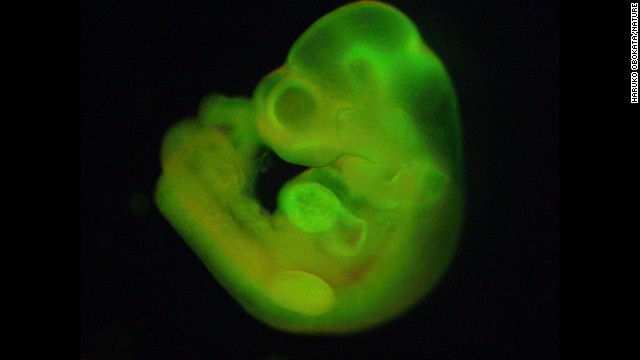 If you've been up on any biomedical science or research over the last couple decades, you've probably at least heard of stem cell research. A new milestone has just been achieved, as Japanese scientists discovered a way to make embryonic stem cells from blood. Granted, the method was demonstrated using infant mouse blood to create mouse stem cells, but the discovery could lead to a new way of producing human embryonic stem cells. If you've been up on any biomedical science or research over the last couple decades, you've probably at least heard of stem cell research. A new milestone has just been achieved, as Japanese scientists discovered a way to make embryonic stem cells from blood. Granted, the method was demonstrated using infant mouse blood to create mouse stem cells, but the discovery could lead to a new way of producing human embryonic stem cells.
Why is this significant? Because stem cells have a lot of potential in the field of medicine. Stem cells are unspecialized biological cells that can be differentiated into more specialized cells. In other words, they are cells that have the capability of transforming into specific cells used for a certain function (e.g. muscle cells, skin cells, or brain cells). Scientists can use stem cells to grow other types of cells used in the body, and potentially use them for transplants or tissue repair & replacement.
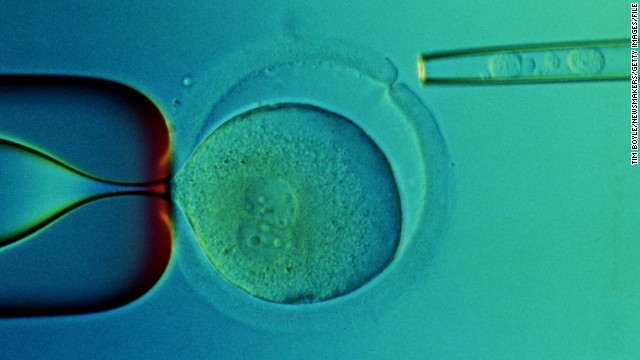 One of the biggest obstacles to stem cell research and advancement is stem cell availability. Human embryonic stem cells are among the most valuable for research, as they have the potential to treat some very tough, currently incurable diseases such as Alzeihmer's, Parkinson's, and diabetes. But these cells are derived from human embryos, and the ethical issues surrounding destroying embryos for research has presented obvious moral barriers. Another method developed in 2007 allows embryonic stem cells to be created through gene manipulation of blood and skin cells. This process, however, is complicated and the science behind it isn't well understood. One of the biggest obstacles to stem cell research and advancement is stem cell availability. Human embryonic stem cells are among the most valuable for research, as they have the potential to treat some very tough, currently incurable diseases such as Alzeihmer's, Parkinson's, and diabetes. But these cells are derived from human embryos, and the ethical issues surrounding destroying embryos for research has presented obvious moral barriers. Another method developed in 2007 allows embryonic stem cells to be created through gene manipulation of blood and skin cells. This process, however, is complicated and the science behind it isn't well understood.
The new discovery, made by biologist Haruko Obokata and her colleagues at the RIKEN Center for Developmental Biology, could put an end to these issues. The process involves submerging white blood cells from a baby mouse in a mildly acidic (pH ~5.7) solution for about 30 minutes. This change in environment produces embryonic stem cells; no cell manipulation or embryo destruction required! When injected into a mouse embryo, the cells acted like other stem cells, producing all the organs needed for an adult mouse.
This process is certainly simple and convenient, but there are more questions that need to be answered. To begin, will it work with adult blood? All trials to date have used the blood from infant mice less than 1 week old. Of course the biggest question is whether the same results can be realized with human blood; otherwise, the discovery's many potential applications might be moot. Of course, even if the process does work, any viability testing of these human embryotic stem cells is a long way off, and will have its own set of obstacles.
I am excited to see developments that advance the science of stem cell research in a responsible way. The field has the potential for great things if done right, and it will be interesting to see what comes of this new process.
Sources:
National Institutes of Health - Stem Cell Basics
NPR - A Little Acid Turns Mouse Blood Into Brain, Heart, and Stem Cells
Images from CNN.com
| 


 Re: From Blood Cell to Stem Cell


