|
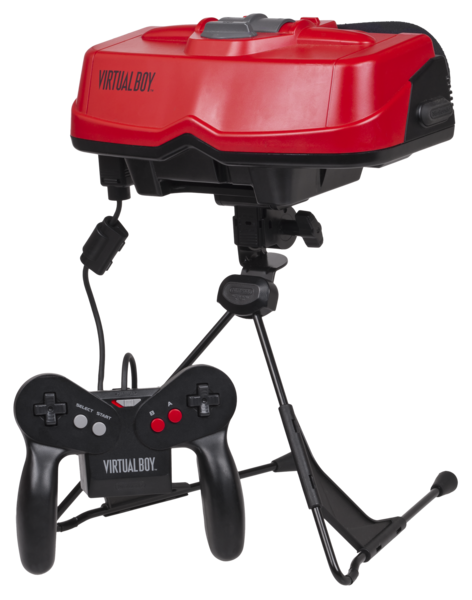 Do you remember Virtual Boy? It was Nintendo's realization of the virtual reality (VR) hype that swept the world in the 1980's, marketed for consumers. The concept of using technology to take your mind and senses to new, virtual worlds was fascinating, and it changed the way we looked at our technological future. But hype quickly died with the Virtual Boy, as motion sickness, poor resolution, and prohibitive cost made consumer versions of VR a pipedream. Do you remember Virtual Boy? It was Nintendo's realization of the virtual reality (VR) hype that swept the world in the 1980's, marketed for consumers. The concept of using technology to take your mind and senses to new, virtual worlds was fascinating, and it changed the way we looked at our technological future. But hype quickly died with the Virtual Boy, as motion sickness, poor resolution, and prohibitive cost made consumer versions of VR a pipedream.
Like digital animation for 1980s filmmakers, the technology just wasn't ready yet.
30 years later, the tech is ready. Components are now cheap enough to make a commercial product affordable to the general public. Oculus Rift, the most prominent virtual reality startup, will release a retail kit later this year said to cost less than $300, and boasts an impressive 1920 x 1080 resolution.
The real question is - are we ready? Virtual reality has an amazing initial thrill factor, but does this experience last? When I pick up a video game for the 20th time, will I still want this type of immersion, or will I just want to turn on the TV and pick up a controller? There is a strong community, a good 200 thousand or more, ready for a virtual reality console. But real mass market success is dependent on something more on the order of 200 million, well beyond the vocalized interest.
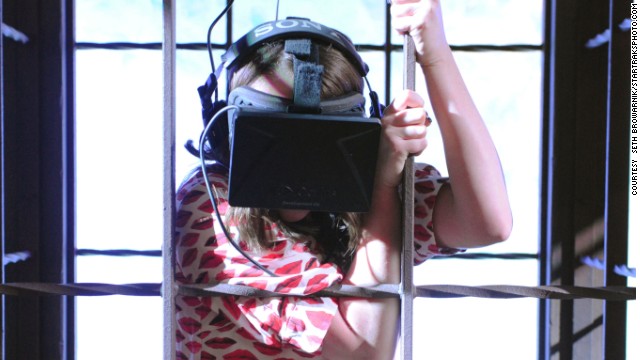 Demonstrations like 'Ascending the Wall' may help generate more interest. This traveling exhibit is promoting the Game of Thrones HBO show using Oculus Rift's VR technology, putting the user in the first-person of a Night Watch soldier. The exhibit utilizes a chamber with a vibrating floor, headphones, and the Oculus Rift set which provides a 360 degree field of vision. Experiences like this could really showcase the possibilities of virtual reality for video gaming and entertainment. Demonstrations like 'Ascending the Wall' may help generate more interest. This traveling exhibit is promoting the Game of Thrones HBO show using Oculus Rift's VR technology, putting the user in the first-person of a Night Watch soldier. The exhibit utilizes a chamber with a vibrating floor, headphones, and the Oculus Rift set which provides a 360 degree field of vision. Experiences like this could really showcase the possibilities of virtual reality for video gaming and entertainment.
But video games aren't the only potential use for virtual reality. Putting virtual reality programs in schools could add a new dimension to visual learning, allowing students to experience things not easily described in words and not accessible via field trips. Even games like the new "Second Life", which through VR and brain scanning allows you to see your brain at work, could be used give people a better understanding of brain activity.
 It is important to remember that the benefits of virtual reality have already been utilized for many years. Over the last twenty years, VR has been used to prototype cars, making them safer and more efficient. VR is also used to create and enhance training simulators used by soldiers, pilots, and surgeons alike. It is important to remember that the benefits of virtual reality have already been utilized for many years. Over the last twenty years, VR has been used to prototype cars, making them safer and more efficient. VR is also used to create and enhance training simulators used by soldiers, pilots, and surgeons alike.
Some worry about the downsides of VR; that our society will lose touch with reality and fall in love with a virtual world - sounds vaguely like the movie Surrogate. I tend to think that virtual reality has a lot to offer, and the benefits outweigh the potential issues. But, like all technology, it really all depends on how we use it.
Technology Review - Virtual Reality Startups
Technology Review - Oculus Rift
CBSNews - Virtual Reality System Lets You Explore Your Own Brain
CNN - Demo of 'Game of Thrones'
Image of person wearing VR headset - CNN
| 


 Re: The Resurgence of Virtual Reality


