|
Solar power is still too expensive to be a mainstream
source of power-but it is very effective and a new material could cut solar
power costs in half.
Glint Photonics,
a startup company funded by the Advanced Research Projects Agency for Energy
(ARPA-E), has developed a new technology that maximizes a solar panel's
potential to capture light.
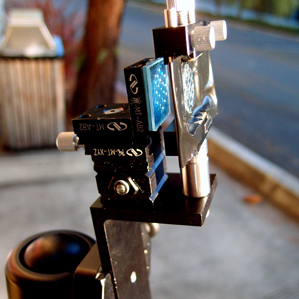
The new material enhances the reflective properties of
solar panels in order to capture light across a large span of different angles.
Focusing the sunlight makes it possible
to use smaller, cheaper solar cells. Image Credit
The
new solar energy system has two parts. The first is an array of thin,
inexpensive lenses that concentrate sunlight. The second is a sheet of glass
that serves to concentrate that light more-up to 500 times-as light gathers over
its surface.
On the front and back of the glass is a reflective
material that traps light inside the glass. One of the sides features the new
substance made by Glint. According to MIT review, "When a beam of concentrated
light from the array of lenses hits the material, it heats up part of it,
causing that part to stop being reflective, which in turn allows light to enter
the glass sheet." The light bounces around until it reaches the solar cell
mounted on the edge of the glass to generate electricity.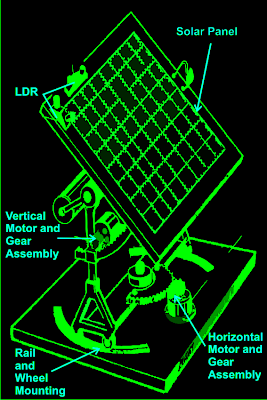
Panels currently on the market have a tracking system
that ensures the panels are taking in the most amount of light possible. The panels
change their reflectivity in response to heat from concentrated sunlight in a
way that makes it possible to capture light coming in at different angles
throughout the day. The tracking system requires lenses or mirrors, which must
move precisely as the sun advances across the sky using heavy equipment to keep
the apparatus steady. Without the need for a tracking system, the solar panels
can be made at a much lower cost.
In
the new system, the beam of light from the lenses moves and the material
adapts, always allowing sunlight in only where the beam of light falls. This
reduces the need for an apparatus that keeps the system pointed directly at the
sun. Image Credit
According to Glint's CEO Peter Kozodoy, the solar power
from its device could cost four cents per kilowatt-hour, compared to eight
cents per kilowatt-hour for the best conventional solar panels.
There are still some challenges, but Glint received the
first installment of grant money from ARPA-E this month to allow the company to
scale up from prototypes to commercial scale.
| 


 Re: Half-Price Solar Power


"Almost" Good Answers: