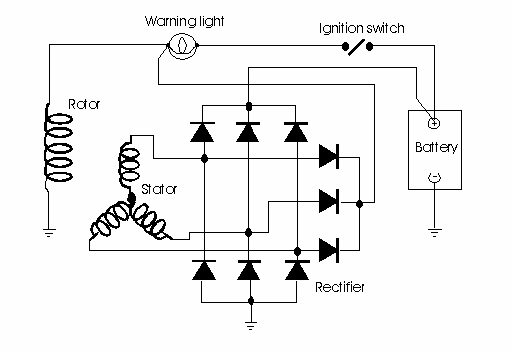
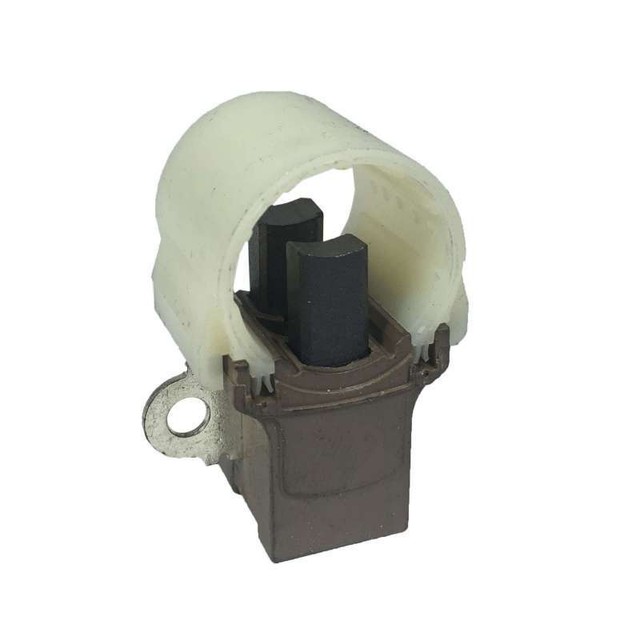
I’ve heard a story that in a vehicle alternator (conventional type, cylindrical sliprings and brushes) one of the brushes wears quicker, due to different polarity hence direction of electron flow. The source couldn’t say which one, +ve or -ve, wears quicker.
I checked on a couple of old alternators (I used to repair and sell them many years ago) and both have different brush lengths, so it could be true, though I can’t think of a reason polarity would affect wear.
Also that the type of voltage regulator affects brush and slipring wear, machine sensed (reference voltage direct from the 3 field diodes) being worse than battery sensed, (reference voltage via a separate lead from the battery). The only reason I can think of that could cause that is battery voltage being more stable, hence steadier field current.
Can anybody please comment?


 2
2 Vehicle Alternators


 Re: Vehicle Alternators






Good Answers:
"Almost" Good Answers: