|
.jpg) When on deployment on an aircraft carrier, you are flying missions almost every day when at sea. Depending on the requirements, missions are usually flown during the day. First thing that happens is the flight officer will tell the squadrons how many missions will be flown on that day. The reason for the mission, what type of mission and how many missions to be flown is determined by the higher-ranking officers, which is normally classified so us lower ranking guys were usually kept in the dark on those kind of things. When on deployment on an aircraft carrier, you are flying missions almost every day when at sea. Depending on the requirements, missions are usually flown during the day. First thing that happens is the flight officer will tell the squadrons how many missions will be flown on that day. The reason for the mission, what type of mission and how many missions to be flown is determined by the higher-ranking officers, which is normally classified so us lower ranking guys were usually kept in the dark on those kind of things.
After the flight schedule is handed out to the squadrons, the squadrons determine how many aircraft are going to be needed and ready to fulfill the missions. Before the first mission commences, the squadrons have all the aircraft needed for at least the first 3 missions, if not more, up on the flight deck and not in the hangar bay.
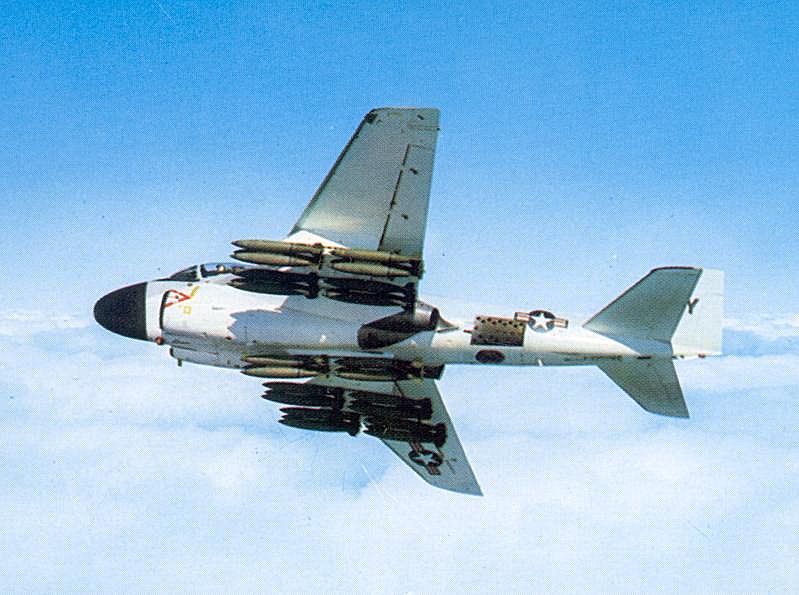
When it's time to start flying missions, first one or two of the H-60 helicopters take off. This is to have rescue divers in the air to rescue the pilots just in case an aircraft crashes while in the air or after takeoff from the carrier. Then once the helicopter is in the air, the E-2 Hawkeye is launched. This is a radar plane that keeps a radar umbrella over an area to see where possible enemy aircraft or missiles might be at any given time. This aircraft is used as an early warning radar system to the ship and to the other aircraft in the air. The S-3 Vikings were then launched. These aircraft were used as an anti-submarine and aerial refueling aircraft. The fighter and attack jets were the next ones to get launched. These included the F-18 Hornet and the F-14 Tomcats. On a side note the F-14 Tomcats have now been replaced by the F-18 Super Hornets. Finally, the EA-6B Prowlers were launched. These jets hold large amounts of bombs and armaments. These jets can drop multiple 500 pound bombs on targets.
When all the jets from the first wave are launched, there is a 15 to 20 minute wait before the next wave of aircraft are launched. During the lull fueling operations are usually going on to make sure all the jets are topped off, or if any problems arise with the jets they are being trouble-shot to make sure they can fly the mission. After the third wave is launched the first wave of aircraft are coming back. Usually the fighters are the first ones to land because they use up their fuel the fastest, the Prowlers are next, and then the Vikings. The Hawkeyes were the last planes to land because their constant radar was always needed. The helicopters were the last land. After the aircraft landed, they either were re-fueled to take off again or were replaced with another aircraft in the launch cycle. This was how flight operations lasted all day, anywhere from 8 to 12 hours.
| 


 Re: Flight Operations on an Aircraft Carrier