|
 As the market for smartphones, tablets, and other consumer electronics continues to grow, so does our use of touch screens. It's no surprise then to see new screen technology being developed in conjunction with new devices. And there was a rumor roaming that Apple would be building a new smartphone with a sapphire screen. As the market for smartphones, tablets, and other consumer electronics continues to grow, so does our use of touch screens. It's no surprise then to see new screen technology being developed in conjunction with new devices. And there was a rumor roaming that Apple would be building a new smartphone with a sapphire screen.
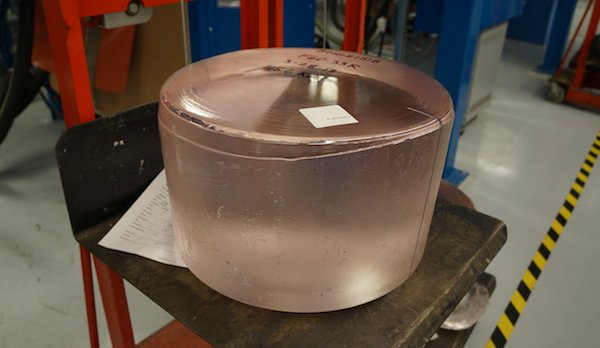
Sapphire is crystalline aluminum oxide. Most know of it in its natural form as a gem (my wife's engagement ring actually has two sapphires on it). Fun fact - sapphire is a variety of the mineral corundum, and it is metal impurities in the crystal that give it distinct colors (chromium can turn corundum red, making it a ruby). Sapphire can also be manufactured, and have been used in making LEDs, scientific instruments, and high-durability windows.

So a sapphire screen, what does that even mean? Well, what makes sapphire special is its hardness. As the third hardest material (behind diamond and moissanite), it is incredibly scratch-proof. It is considerably stronger than Gorilla Glass (made by Corning Inc), which is the glass used to make iPhones and some other touch screen devices.
Sapphire has been cost prohibitive in consumer electronic applications to date. An iPhone screen made entirely of sapphire would probably cost about three to five times as much as a normal screen to manufacture, or $15 to $20. Now that doesn't sound terrible in and of itself, but for many devices this would raise the total cost significantly. Instead of the whole screen, Apple intends to use a surface cover of sapphire to keep costs down while still reaping the benefits of the material.
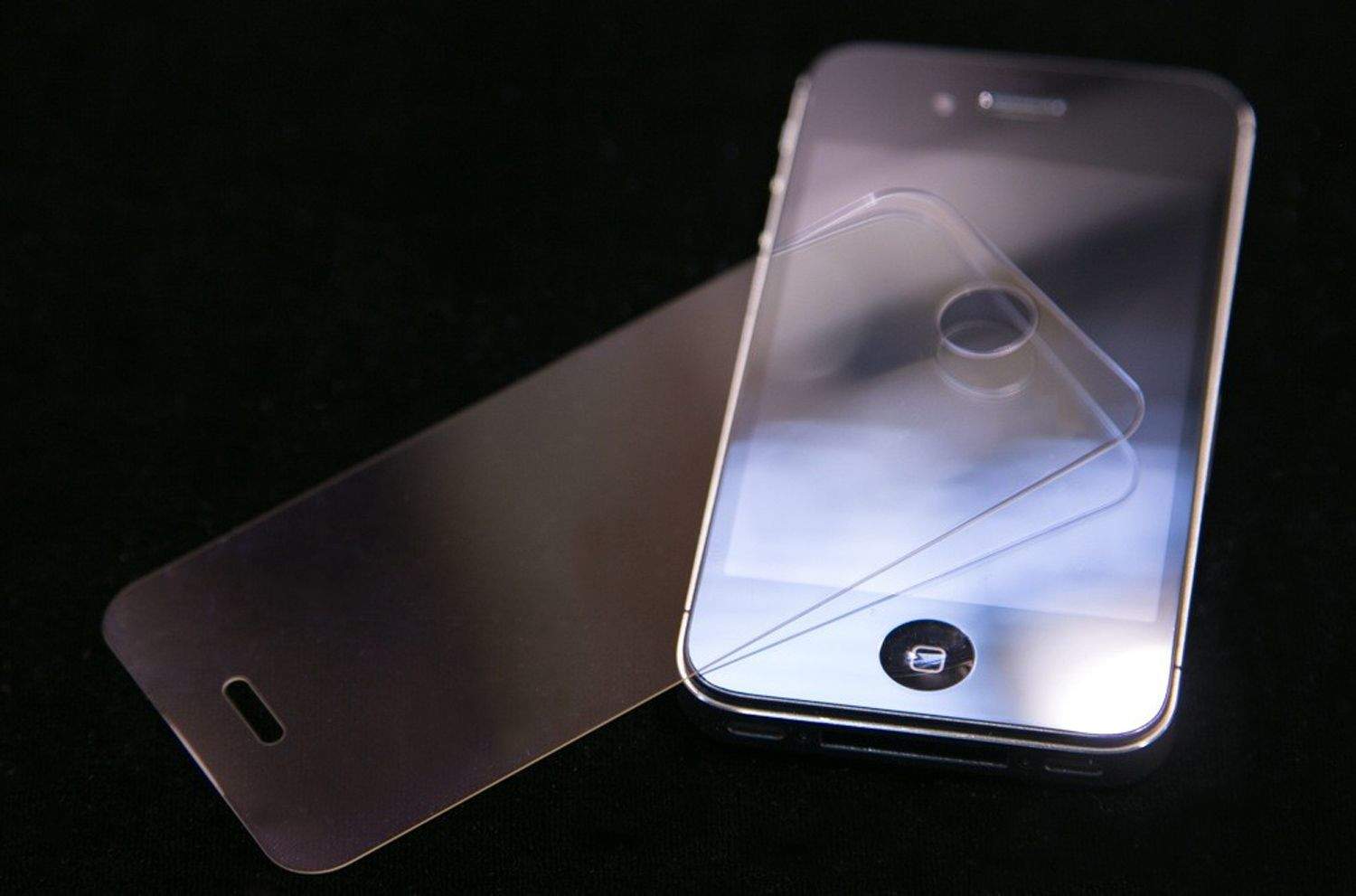 To make this sapphire laminate, typically a big (perhaps 0.5 meter) block of sapphire is cut into wafers micrometers thick, and then grinded down to a smaller size. To save material and costs, a company called GT Advanced Technologies is implementing a new approach. Using a machine the size of a concrete mixer, hydrogen ions are shot into sapphire wafers to a depth of 26 micrometers. Once heated, the hydrogen ions form hydrogen gas, and the expansion causes the 26 micrometer layer to break off. The next step for the company is to automate the movement of the wafers for faster production. To make this sapphire laminate, typically a big (perhaps 0.5 meter) block of sapphire is cut into wafers micrometers thick, and then grinded down to a smaller size. To save material and costs, a company called GT Advanced Technologies is implementing a new approach. Using a machine the size of a concrete mixer, hydrogen ions are shot into sapphire wafers to a depth of 26 micrometers. Once heated, the hydrogen ions form hydrogen gas, and the expansion causes the 26 micrometer layer to break off. The next step for the company is to automate the movement of the wafers for faster production.
After sifting through further talk surrounding the rumors, it looks like Apple will probably not be utilizing sapphire screens for the iPhone 6. But I think in the next few years, as the touch-screen world continues to grow, we will see sapphire make its way into the consumer market. It's cool to note that, in addition to making sapphire glass, GT's "ion accelerator" technology can also be utilized for making thin layers of other costly materials. This could lead to some interesting cost saving opportunities in electronics and solar cells.
Source
Technology Review
| 


 Re: A Screen Made of Sapphire