|
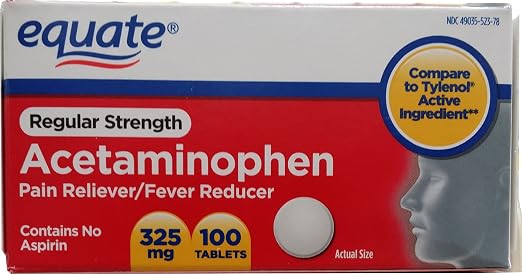 Many theories and principles in science & engineering
begin with observation and experiment. We observe that something happens,
develop a hypothesis about what we think is happening, and then run experiments
to test our theory. Sometimes we don't have much understanding of the science
and math behind our observations until after all these steps. That's the beauty
of the scientific method (aaah, brings me back to 6th grade science). Many theories and principles in science & engineering
begin with observation and experiment. We observe that something happens,
develop a hypothesis about what we think is happening, and then run experiments
to test our theory. Sometimes we don't have much understanding of the science
and math behind our observations until after all these steps. That's the beauty
of the scientific method (aaah, brings me back to 6th grade science).
This is all well and good when looking at science history
(gravity… the light bulb…), but what about modern medicine? Certainly we would
only use pharmaceuticals that we fully understand all the science behind…
right? Well, take it as you like, but there are actually still some big unknowns
surrounding one of the world's most common over-the-counter pain-reliever: acetaminophen.
Acetaminophen, better known by the brand name Tylenol®, is a drug
that falls under a class of painkillers called non-opiod analgesics (let's call
them NOAs). Unlike opiod analgesics (which suppress the brains perception and
response to pain), NOAs (which also include ibuprofen, aspirin, naproxen, and
others) work largely by suppressing the creation of prostaglandins, which cause
pain and inflammation in nerves when cells are damaged. They do this by inhibiting
the cyclooxygenase (COX) enzyme which helps make prostaglandins molecules. To
sum up, NOAs block COX to prevent the formation of prostaglandins, thus
limiting the pain you feel from an injury.
 What makes acetaminophen different from other NOAs, however,
is that it doesn't appear to block COX in the peripheral nervous system (nerves
near the site of your injury) very much, which is why it isn't considered an
anti-inflammatory like Ibuprofen (better known as Advil®). It instead blocks COX mainly
in the central nervous system (the brain and the spinal cord), which is why you
may choose acetaminophen more for headaches and ibuprofen more for physical injuries to
redcue inflammation. However, the mechanism(s) behind how acetaminophen affects
the central nervous system are still up for debate among scientists. What makes acetaminophen different from other NOAs, however,
is that it doesn't appear to block COX in the peripheral nervous system (nerves
near the site of your injury) very much, which is why it isn't considered an
anti-inflammatory like Ibuprofen (better known as Advil®). It instead blocks COX mainly
in the central nervous system (the brain and the spinal cord), which is why you
may choose acetaminophen more for headaches and ibuprofen more for physical injuries to
redcue inflammation. However, the mechanism(s) behind how acetaminophen affects
the central nervous system are still up for debate among scientists.
You can read more about the different theories that exist in
this ACS
article - they are fascinating. You can also check out a short video about it
here. What intrigues me most, though, is how much uncertainty has surrounded
such a well-used and well-accepted medicine. What does this say about our caution
when it comes to the use of pharmaceuticals? Is it enough that we have billions
upon billions of case studies of Tylenol® to look at? Should we be concerned
about the unknowns when we think about cancers, or the known relationship
between acetaminophen and liver damage?
Perhaps these are warranted reactions, perhaps they are
overreactions. For me, the mystery of acetaminophen at least confirms the
reality that the human body (and the biochemistry behind its workings) is
incredibly complex, and there will always be more to understand and to learn.
References:
Tufts Journal
Chemical and Engineering News
| 


 Re: What We Don’t Know About Tylenol


Good Answers: