|
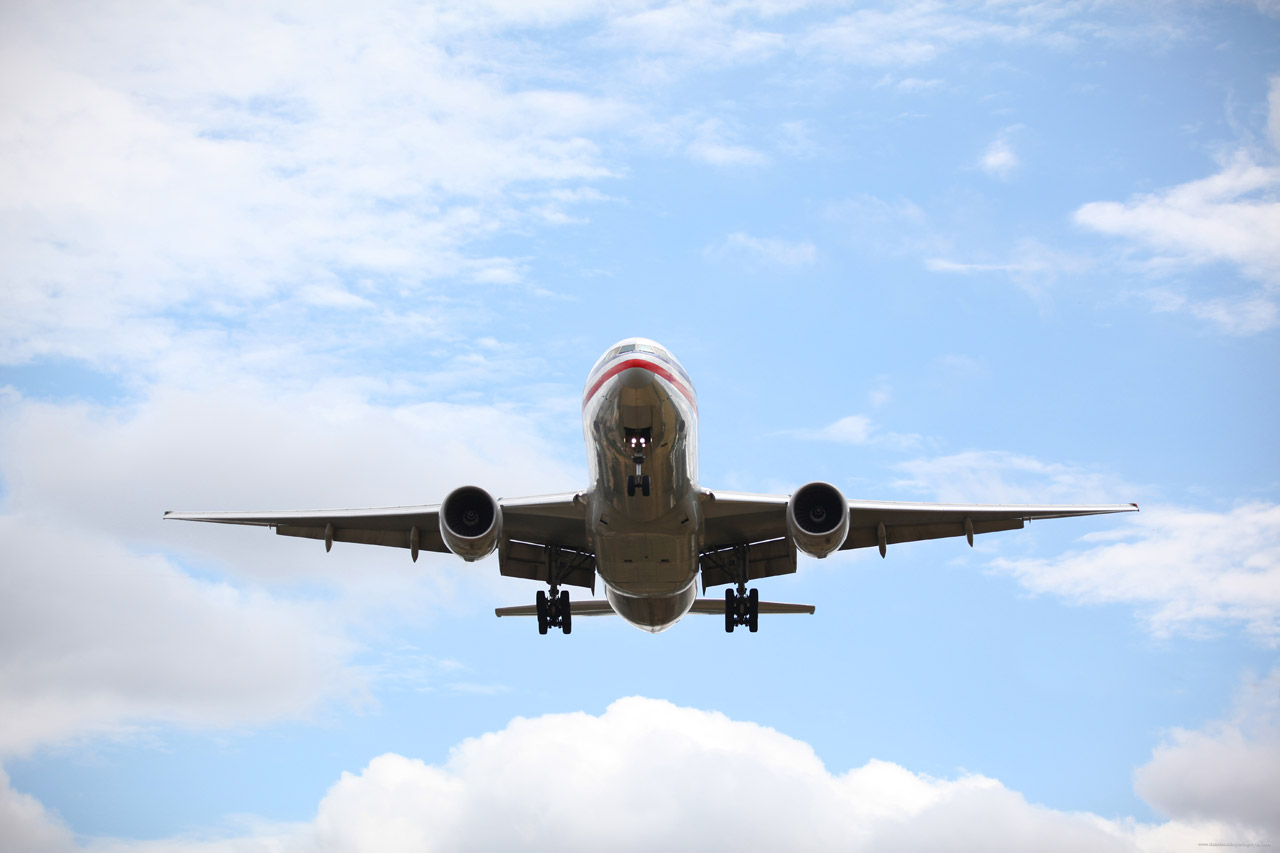 I’m a huge fan of podcasts and Freakonomics tops my lists of favorites. I always learn something new about a topic I wouldn’t otherwise think about. But the episode on June 1st covered a topic I think about often – flying. I’m a huge fan of podcasts and Freakonomics tops my lists of favorites. I always learn something new about a topic I wouldn’t otherwise think about. But the episode on June 1st covered a topic I think about often – flying.
Freakonomics Radio’s episode “Why Does Everyone Hate Flying? And Other Questions Only a Pilot Can Answer” covered many of the questions we all wonder about in the air.
I’ll summarize the answers to some of the topics and questions asked during the episode, but I encourage you to check out the full podcast in the link above.
Turbulence & Bank Angle
Even in pretty rough turbulence, an airplane is displaced only slightly from its position in space due to positive stability. This describes the phenomenon where when airplanes are moved from their position in space they, by their nature, want to return back there. So, in run-of-the-mill, moderate turbulence, there’s almost no displacement and in severe turbulence an airplane does actually move hundreds of feet up or down. In those cases, people are injured when they aren’t wearing their seatbelt, and there’s damage inside the cabin. That’s very rare.
Very rarely does an airplane turn or bank more than about 20 or 25 degrees. A very steep climb on takeoff is seldom more than 20 degrees, at the most, and a descent is usually no more than five degrees.
Flying Faster
Pilots can sometimes fly faster but there are constraints with Air Traffic Control and fuel. Flying across the ocean, for example, you have to hit target fuel values at various waypoints as you go along, and falling behind those target values could cause a problem that may lead to diverting. Speeding up is usually more effective on long-haul flights such as crossing an ocean than on short-hauls. Usually though, it’s less about flying faster than it is about getting shortcuts from Air Traffic Control.
The average jet today actually flies a little more slowly than it did in 1965. But it flies more efficiently. There are all kinds of aerodynamic complications that come into play, so planes aren’t faster. But they are more efficient, much safer than they used to be, cleaner, and much more sophisticated.
Autopilot
Cockpit automation — what it is capable and not capable of — is maybe the most misunderstood thing in all of commercial aviation. The autopilot is not flying the airplane. The crew is flying the airplane through the automation. They still have to tell it what to do, where to do it, when to do it, and how to do it. “And when I say how, I mean for example, just one example of a thousand, setting up and programming, if you will, an automatic climb or descent; there are six, seven different ways you can do that depending on what you need and the circumstances.”
It’s true that there’s less hand-flying — that is hands on the control wheel— than there was in the 1940s or so. But more than 99 percent of all landings are made manually by hand by either the captain or the first officer.
Check out the full the interview – including answers to questions like “Have you ever seen anything you couldn’t explain in the sky?”, “How effective are aviation security measures?”, and the truth about cellphone on flights.
| 


 Re: Myths of Flying


"Almost" Good Answers: