|
As if we needed another reason to enjoy a glass of red wine
every day!
A study released on November 1st 2011 discusses
the metabolic benefits of resveratrol. The study observed the health of obese
men after they were given a resveratrol supplement…and the findings were
promising!
The Science
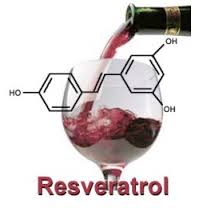
Image Credit:
newzreview.com
So what is resveratrol? It's an antioxidant found in the skin of
grapes and other foods such as peanuts, blueberries and cranberries. More is found in red wines than white wines
because red wines are fermented longer.
Scientists have been studying the effect of the compound for
years on cells and laboratory mice. Health benefits have been identified for
the heart because it reduces inflammation and blood clotting as well as "bad"
cholesterol. The antioxidant has also shown to help in the prevention and
treatment of diabetes, a strong risk factor for heart disease.
The Study
Research began on the benefits and uses of resveratrol in
helping obesity many years ago.
Here is a clip from CBS
news in 2006 reporting the initial findings in mice.
Those studies
indicated the antioxidant could mimic the benefits of consuming a very
low-calorie diet. This type of diet is difficult, if not impossible, to live by
but has shown to extend longevity, protect from obesity and diabetes.
Laboratory mice showed an increase in their physical endurance.
Studies are also being done on
resveratrol's effect on proteins known as sirtuins, which are involved in the
aging process. "This study comes at a time when obesity and diabetes are
reaching epidemic proportions," said David A. Sinclair of Harvard Medical
School. "Sirtuins offer the promise that we can find ways to prevent the
effects of obesity and sedentary lifestyles."
As predicted, the study is now
being done on humans with positive results.
The full
study was posted online by the journal of Cell Metabolism and done by Maastricht
University in The Netherlands. The intensive double-blind study involved 11
obese but healthy men chosen given their increased risk for type II diabetes. Scientist
gave 150 milligrams of a placebo to the healthy obese men for a month and then
switched them to the 99 percent form of trans-resveratrol daily for a month and
vice versa.
The Reasons to Drink….well sip…. Red Wine

Image Credit: TMP Editor
The metabolic activity of the men
was examined through a series of detailed tests measuring the amount of energy
they expended, and the amount of fat they were storing and burnings. "We
saw a lot of small effects, but consistently pointing in a good direction of
improved metabolic health," said Patrick Schrauwen of Maastricht
University in The Netherlands.
The substance appeared to have all the same effects in
humans as in the laboratory mice such as lowering metabolic rate, cutting the
accumulation of fat in the liver, reducing blood sugar, blood pressure,
triglycerides and inflammation and boosting the efficiency of muscles. No
apparent side effects were noted.
The dose in the study was much lower than used in the
animal studies, but still, someone would have to drink about two gallons of red
wine a day to get the equivalent amount of resveratrol. The antioxidant is
currently offered as a supplement but little research has been done to prove
the effectiveness of such over-the-counted substances.
Further research needs to be done to explore the long term
effects of resveratrol as well as the effect is has on people who are not obese.
Future studies, will also explore the effects of resveratrol in people who have
already progressed to diabetes.
"Age
appears to be best in four things; old wood best to burn, old wine to drink,
old friends to trust, and old authors to read." Francis
Bacon
Resources
Washington
Post
Medical
Daily
Mayo
Clinic
| 


 Re: Another Good Reason to Drink Red Wine


"Almost" Good Answers: