|
Sprin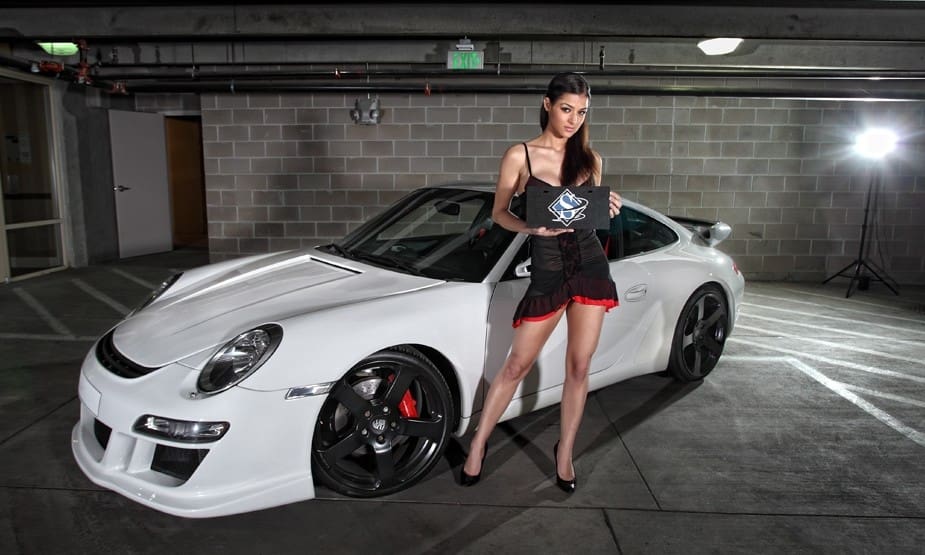 g is here, and depending on your level of
automotive-consciousness it means it's time to wash, rinse and wax that
beautiful [car] body, or hope the next rainfall washes the salt and bird poop
off your hood. The first time my father taught me to wax a car was akin to a
magician handing
down his trade secrets;
and while he was no vehicular David Copperfield, he at least provided me with
some of the most basic lessons. g is here, and depending on your level of
automotive-consciousness it means it's time to wash, rinse and wax that
beautiful [car] body, or hope the next rainfall washes the salt and bird poop
off your hood. The first time my father taught me to wax a car was akin to a
magician handing
down his trade secrets;
and while he was no vehicular David Copperfield, he at least provided me with
some of the most basic lessons.
Change your oil and air filter regularly. Keep your tires
properly inflated and balanced, and rotate them too. Run your gears to maintain
traction in the snow. Black cars hide dirt but show scratches, and white
finishes hide scratches but reveal dirt. Don't buy red cars because they get
the most tickets.
I think Dad's knowledge will be
passed down to my kids too, but I'm hesitant to explain why red should be
avoided. When I think of a Ferrari or a Corvette, none of the other colors are
quite as sexy as red. Something also tells me that this long-held assumption is
a myth, and I'm just as likely to be hassled by Johnny Law in
a grey car as I would a red car.
Last year was the second year in a row that white was the
most common color for new cars produced. It unseated silver
in 2011, and DuPont - the largest auto paint manufacturer - cites consumer
products for the inspiration of car color trends. Silver, used heavily from
1996 to 2005 in cell phones and other electronics, came to represent advanced
pieces of technology. Tack on the development time of a typical auto paint (2
to 4 years), and the result reveals silver's popularity through 2010.
In 2012, the most popular auto colors were:
- White
- Black
- Silver
- Grey
- Red
.jpg) Altogether, white, black, silver and grey make up 77% of all
car colors globally. White and black have long been the most heavily used
colors in the luxury car segment, and have now taken over the entire automotive
marketplace. Experts believe that the popularity of smartphones and tablets
have steered consumers towards black and white cars. Apple in particular
presents their innovative iPhones, iPods and iPads in dichotic black and white.
How long until we get the iCar? We'll never know. Altogether, white, black, silver and grey make up 77% of all
car colors globally. White and black have long been the most heavily used
colors in the luxury car segment, and have now taken over the entire automotive
marketplace. Experts believe that the popularity of smartphones and tablets
have steered consumers towards black and white cars. Apple in particular
presents their innovative iPhones, iPods and iPads in dichotic black and white.
How long until we get the iCar? We'll never know.
As you can see from the graph, red cars make up just 7% of
all cars, so anything significantly disproportionate to 7% of overall tickets
would make red more or less likely to be ticketed by law enforcement. In 1990,
a reporter for the St. Petersburg Times
(Florida) conducted his own unscientific study to see how valid the notion of
'red cars get more speeding tickets' really is. He randomly sampled four
intersections in two Florida counties. Out of the 1,198 cars he recorded 14% of
them were red. He compared the results to the last 924 speeding violations in
those counties, only to discover 16% of those violations belonged to
red-colored vehicles - a rather moderate difference. However, other vehicles
had rates of violation disproportionate to their prevalence. White cars
 accounted for 25% of vehicles, but received only 19% of the violations.
Similarly, silver cars were 10% of all vehicles, but received just 5% of the
violations. Unexpectedly, grey cars received 10% of the 924 violations, while
representing just 6% of the sample. accounted for 25% of vehicles, but received only 19% of the violations.
Similarly, silver cars were 10% of all vehicles, but received just 5% of the
violations. Unexpectedly, grey cars received 10% of the 924 violations, while
representing just 6% of the sample.
Does this indicate that it's favorable to drive a silver car
over a grey
car? Or perhaps lead-footed drivers are drawn to grey?
While
it's dangerous to make such broad assertions, car colors have also been linked
to safety and insurance rates. In 2007, the Monash University Accident Research
Centre in Victoria, Australia, published the results of a 17-year study that
found vehicles that were black, grey, and silver in color have accident rates
higher than white cars, at 12%, 11%, and 10% respectively. Red cars and blue
cars are 7% more likely t han white cars to be involved in an accident, while
yellow, beige and tans cars are virtually even with white as the safest color
choice. Researchers noted that cars that have low contrast with the road and
environment are more likely to be involved in accidents. Perhaps auto insurers
should take this information into consideration, though all of them state they
do not charge more for certain colors. han white cars to be involved in an accident, while
yellow, beige and tans cars are virtually even with white as the safest color
choice. Researchers noted that cars that have low contrast with the road and
environment are more likely to be involved in accidents. Perhaps auto insurers
should take this information into consideration, though all of them state they
do not charge more for certain colors.
While
many people contend that red cars are discriminated against, it's often with
prejudice. Other psychology studies had concluded that purchasing decisions are
based 93%
on visual appeal, and most people prefer colors that inspire an
emotional response, or essentially your favorite colors. As such, auto paint
manufacturers like DuPont are beginning to broaden their color lineups. Green
is expected to be the next auto color on the rise. Not only does green have
resonance as an environmental term, but it is also commonly associated with
feelings of hope, happiness - and perhaps most important on a flashy ride -
envy.
So if you're really looking to avoid a second glance from
watchful eyes on the road, and you may want a little extra safety, drive a
white car. Or, if you would rather make a statement, go with something
flashy…like pink!
Resources
(Image credits: My Car Heaven; DuPont; ACE Cash Express; Fox News)
Forbes - Top 10 Most Popular Car Colors
Snopes.com - Red Handed
Car Business Today - The Facts About Safety and Car Color
KISSmetrics - How do colors affect purchases?
| 


 Re: What Color Car Should You Drive?


