When a fellow CR4 blogger, Jaxy, told me that a red dye
often used in foods and cosmetics was made from insects, I called her a liar.
After all, how could such a thing still exist in a modern world filled with
synthetics? Against all odds though, I quickly discovered not only that she was
right, but that this dye has actually been a source of controversy lately.
So What is It?
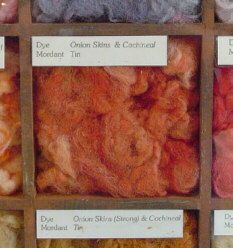
Cochineal dye, also known as carmine or E120, is made from
the cochineal insect, a small critter that lives on cactuses found mostly in
Central and South America. Essentially, dye
production starts by picking the insects off of cacti by hand, boiling them to
death, letting them dry in the sun, and crushing their dried bodies.
Afterwards, the insects are processed by boiling them in a
host of chemicals including ammonia and sodium carbonate. Any remaining solid
insect parts are filtered out, and what's left is a deep red or purple dye. The
production of carmine through this method typically involves tens to hundreds
of thousands of insects to make anything close to a useful amount of dye.
Where Will I
Encounter Carmine?
Synthetic dyes are more practical than carmine for most
solid foods and clothing, but cochineal is still relatively common in several
drinks and cosmetics. Based on a little research, the places you're most likely
to find it are among foods like ice cream and fruit juices, and cosmetics like
lipstick and eyeliner.
Can I Find out Which Products
Contain Carmine?
Fortunately, due to a collection of issues such as carmine's
ability to rarely cause allergic reactions, protests from people who refrain
from eating animal products, and the plain grossness factor of it all, new Food
and Drug Administration (FDA) regulations taking effect in 2011 will require
all foods and cosmetics containing carmine to list it along with their other
ingredients.
To the uninformed shopper, carmine as an ingredient is bound
to be overlooked as quickly as other mysterious ingredients like maltodextrin,
but after learning of it, I can say this is one blogger who's going to be
looking at bit closer at his ingredient labels in the future.
Resources
http://en.wikipedia.org/wiki/Cochineal
http://itotd.com/articles/648/cochineal/
http://www.britannica.com/EBchecked/topic/123540/cochineal
http://www.premiumbeautynews.com/FDA-new-labelling-for-carmine-and,534
| 


 Re: Red Dye: Insects in Your Food?


Good Answers: