|
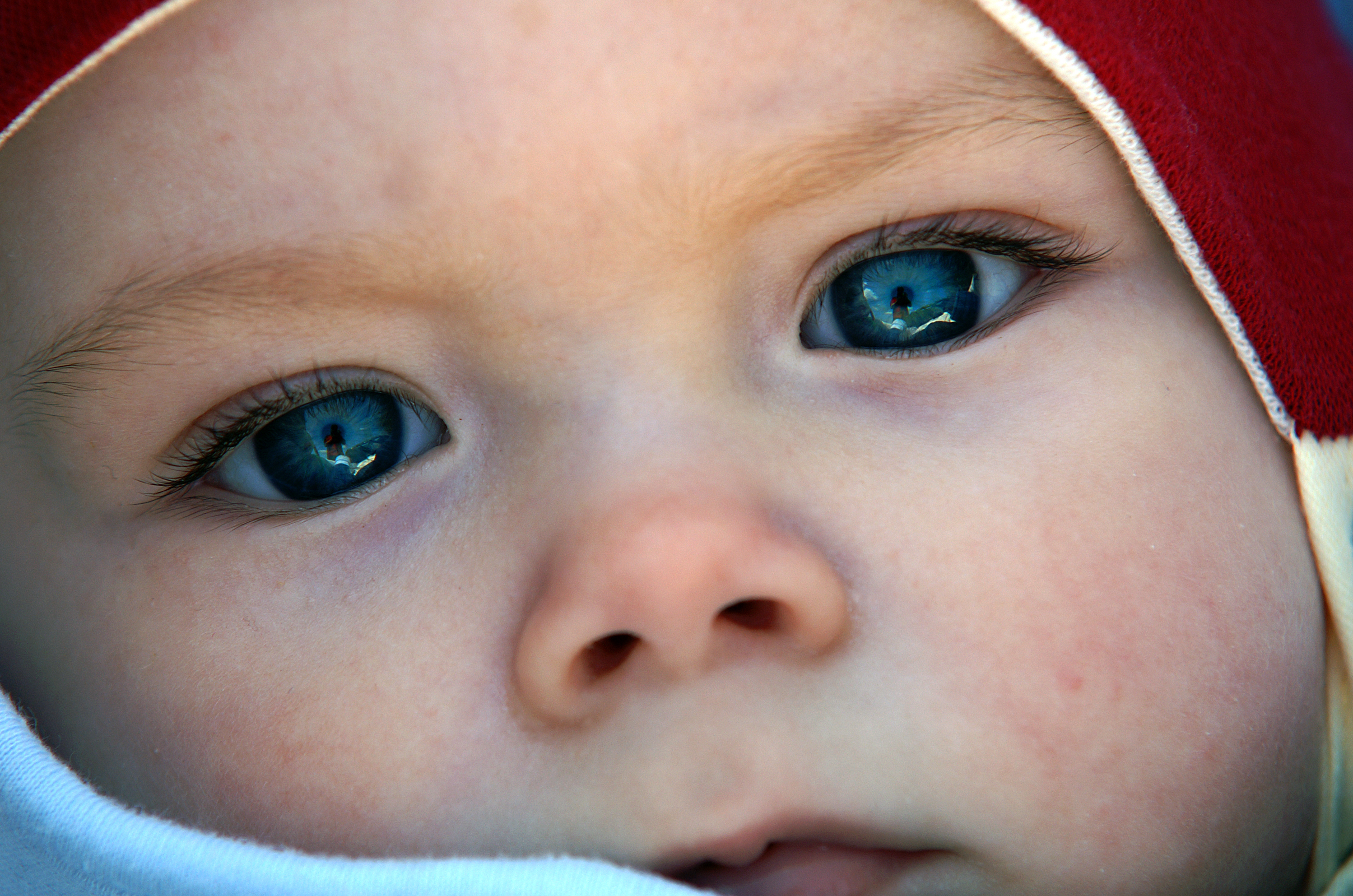 How would you like to “design” a baby? What if you could give the baby George Clooney’s eyes or Cindy Crawford’s…everything? While the science of making these “alterations” is limited, there is concern for that possibility becoming a reality in the future with a recent procedure being cleared for approval in Britain last week. How would you like to “design” a baby? What if you could give the baby George Clooney’s eyes or Cindy Crawford’s…everything? While the science of making these “alterations” is limited, there is concern for that possibility becoming a reality in the future with a recent procedure being cleared for approval in Britain last week.
The fertility procedure, which is banned in the United States, is called mitochondrial transfer technique, or mitochondrial replacement therapy, and it helps to prevent children from being born with deadly genetic diseases. In particular, this procedure is an attempt to treat mitochondrial disease.
Mitochondrial mutations—which are linked to fatal diseases involving the heart, nerves, skeletal muscles, brain, liver, kidneys, and the endocrine and respiratory systems—are caused by defective mitochondria (small structures in almost every cell responsible for converting food into useable energy).
Mitochondrial flaws are typically passed down from the mother, which explains, in part, how this technique works:
The technique involves using a donor egg in addition to the mother’s egg and the father’s sperm. The goal of the procedure is to get healthy mitochondria from the donor. The donor egg’s nucleus is extracted and replaced with the nucleus from the mother’s egg—thereby getting rid of the diseased mitochondria.
Doctors from New York performed the procedure in Mexico and the resulting baby, born a few months ago in New York, is, by all accounts, healthy. The parents who participated in the procedure had only ever experienced having children born with extreme disabilities passed on from the mother’s mitochondrial flaws. For the first time, they have a healthy baby.
And while the headlines surrounding this story have largely been focused on the three-parent angle, the donor’s DNA will have no impact on the physical or personality traits of the resulting baby. All of the physical and personality traits still come from the parents and not from the minute amount of donor DNA.
So why isn’t this procedure approved in the U.S.? What gives opponents pause?
Ethical questions persist! Opponents typically object to the procedure because it deals with the manipulation of genetic matter. There is also concern over this procedure ultimately paving the way for genetically modified babies. That is, being able to select the physical traits of an unborn child.
Do you think this procedure could pave the way for genetically modified babies?
Image credit:
Milan Nykodym / CC BY-SA 2.0
| 


 Re: Genetically Modified Babies?





"Almost" Good Answers: