|
I would like to touch on a topic that I know is near and
dear to many to many of us…hangovers. I guess I could say hangover cures are
often a weird mix of ritual, food, and actual medicine. Let's take a closer
look at what a hangover is and next week we'll look at the best ways to get rid
of it before you spend the day with your in-laws.

Image Credit: nukethefridge
Last year I wrote about how strawberries
can help protect your stomach from the effects of alcohol. But that's more
of a proactive approach and doesn't actually help prevent hangovers.
A hangover, formally known as veisalgia (which is from Norwegian
for "uneasiness following debauchery" and the Greek word for pain) is caused by
drinking too much alcohol. Although no one is totally sure what causes
the hangover, the symptoms of a hangover are the direct effect of alcohol
on the body's systems. They can also be
caused by the withdrawal of alcohol from the body, the effects of metabolites
produced when alcohol is consumed, other chemicals found in alcoholic
beverages, behaviors associated with drinking, and personal characteristics of
the drinker.
Image
Credit:Sciartmag
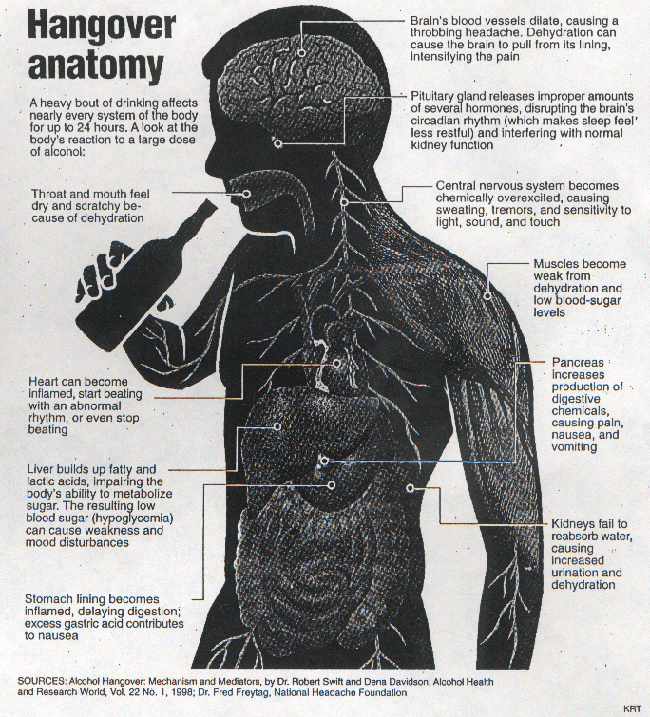
Alcohol causes dehydration and electrolyte imbalance
because it causes an increase in urine production. Ethanol (alcohol) is a diuretic and acts on
the pituitary gland in the brain and stops the production of vasopressin, a
homone that controls the re-absorption of water by the kidneys. This causes the
bladder to fill up and expel more water than it takes in. Without this water
your cells (including brain cells) start to shrivel. Additional fluid can be
lost if the person vomits or has excesses sweating.
Gastrointestinal disturbances are caused by inflammation
of the stomach lining and delayed stomach empting. Alcohol irritates the
stomach and intestines, and produces fatty liver, gastric acid, and pancreatic
and intestinal secretions. This irritation causes abdominal pain, nausea, and
vomiting. Consuming alcohol inhibits glucose production in the body and deletes
the reserves of glucose stored in the liver. Since glucose is the main energy
source of the brain, low blood sugar can produce symptoms of fatigue, weakness,
and mood swings.
You've probably also noticed that you don't sleep well
(even if you pass out) and you probably wake up with headache. Alcohol disrupts
the body's daily temperature rhythm, nighttime secretion of growth hormones,
and the release of cortisol, thereby making your sleep shorter and less
satisfying. When you do wake up my your head is probably pounding do the
vasodilation of the blood vessels in your brain.

Image Credit:
Hellogiggles.com
Sounds pretty unpleasant right? Combine the alcohol with additional
chemicals present in the drink and your genetics, and you have a recipe for
a hangover.
Resources
The Causes of a
Hangover
What is
the science behind a hangover?
| 


 Re: The Science Behind Hangovers


