Genetically modified fruits and vegetables have already been
approved for human consumption. Now the public is waiting to know if
genetically modified animals will follow suit. If AquAdvantage salmon are
approved by the Food and Drug Administration (FDA), these fish would become the
first genetically modified animals to be sold in stores.
Differences Between
the Salmon
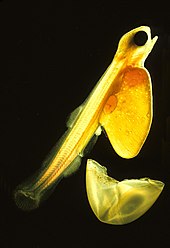
AquaBounty Technologies Inc. has modified a type of salmon
to make the fish grow at double the normal speed. To do this, they gave them a
gene from another fish to engineer AquAdvantage salmon. While it is planned
that these salmon will be raised in inland tanks, critics claim that if the
fish escaped into the wild, the consequences could be irreversible. AquAdvantage
fish are bred to be infertile, but there could still be unfathomable
consequences.
The genetically modified salmon from AquaBounty do not have
different nutritional values from other salmon. Naturally, consumers are
wondering if these genetically modified (GM) salmon are going to have some kind
of special labeling. Meanwhile, the salmon industry is telling everyone to
stick to the current rules. Rules for specific labeling dictate that unless the
salmon is deemed to be materially distinct, special labeling is not necessary.
For example, if the genetically modified salmon had a different fatty acid
level (or other differing nutritional composition), it would have to be
labeled.
So would you consider a genetically engineered change a "material
alteration" in itself, regardless of nutritional differences?
To Eat or Not To Eat
The GM salmon from AquaBounty Technologies could ease the
strain on wild salmon and the overfishing of oceans, but the long-term health
effects on humans are still largely unknown. On the other hand, many people are
hesitant due to the salmon's hormone levels and just the nature of these GM fish.
So if you had the choice to eat wild, farmed, or GM farmed
salmon, what would you choose?
There are many other different GM animals being considered.
The Enviropig, a product from the University of Guelph, is engineered with a
mouse protein in order to create manure with reduced phosphorous levels. When
phosphorous leaches into waterways, it can increase the amount of fish-killing
algae. Hematech Inc. is developing mad cow resistant cattle.
Would you be willing to eat these GM animals as well if they
are deemed safe by the FDA?
Resources:
Medical
News Today – Should Genetically Modified Salmon Have Specific Labeling?
WebMD
– Hearing Held on Proposals for Sale of Genetically Engineered Salmon
Fooducate
– Do You Want Genetically Modified Salmon on Your Plate?
Reuters – Factbox:
Genetically Modified Animals in the U.S.
| 

 2
2


 Re: Would You Eat Genetically Modified Salmon?


Good Answers:
"Almost" Good Answers: